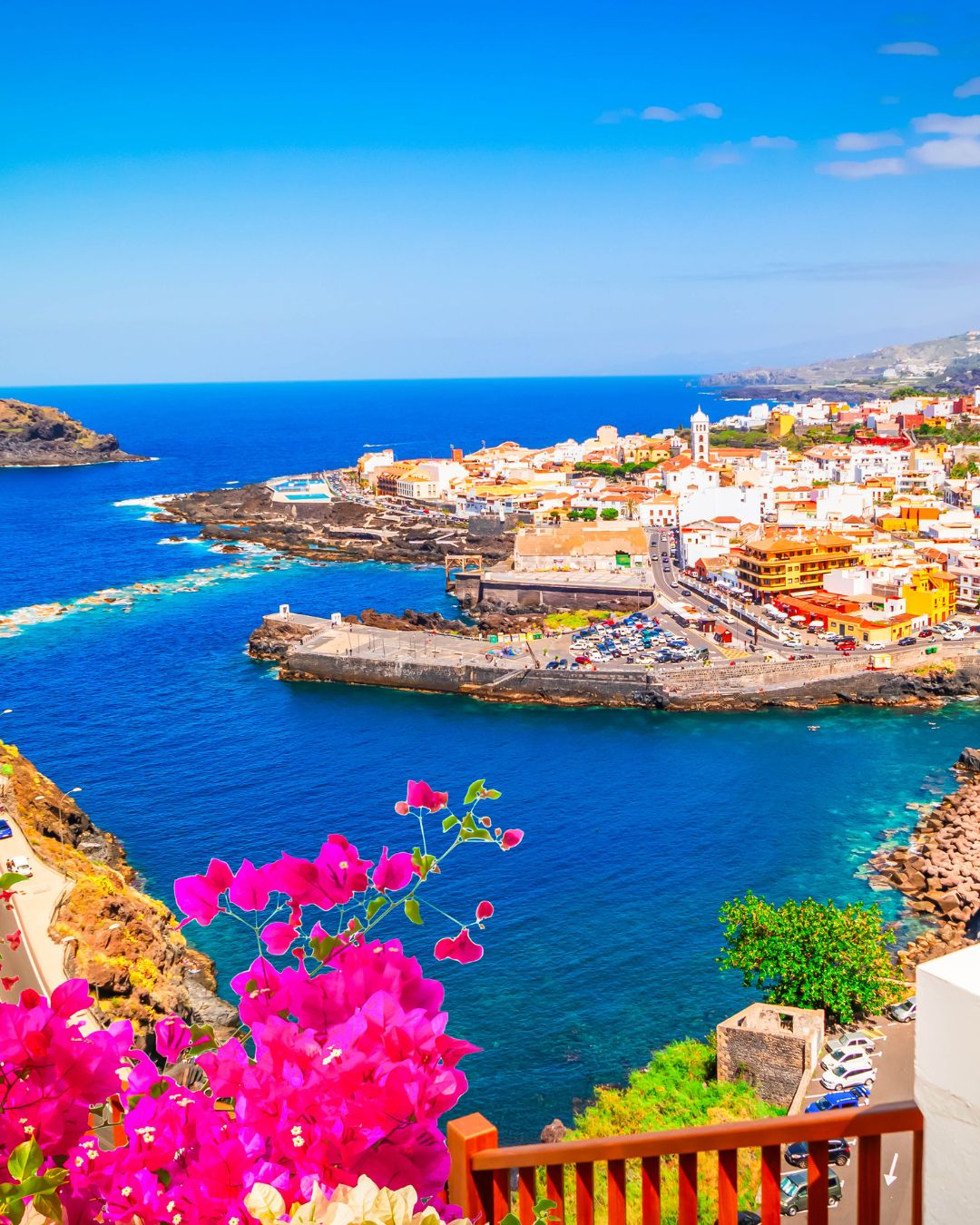
Day 1: Naples to Procida
Nautical Miles: 12
Travel Time: 2.5 hours
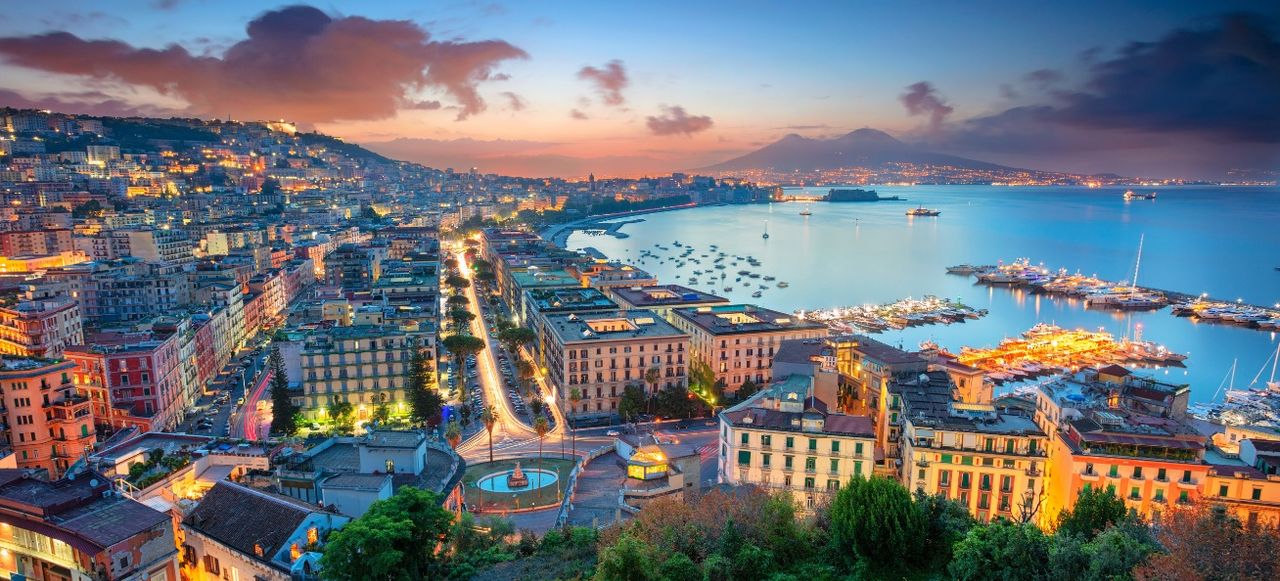
Your Icons of Campania voyage begins in magnificent Naples-Italy's third-largest city (approximately 1 million urban population, 3 million metropolitan area) offering vibrant authentic Italian urban experience rarely matched. Before departure, explore the extraordinary UNESCO World Heritage historic center-largest in Europe preserving 27 centuries continuous inhabitation from Greek Neapolis foundation 8th century BCE creating urban palimpsest of archaeological and architectural layers. Walk Spaccanapoli-perfectly straight street following ancient Roman decumanus lower (lower main street) cutting through historic quarters where narrow lanes, baroque churches, artisan workshops, street markets create intense authentic atmosphere. Visit spectacular Castel dell'Ovo-Naples' oldest fortress occupying small island (Megaride) on ancient Roman Lucullus luxury villa site, name derives from legend that poet Virgil placed magical egg in foundations ensuring city protection while egg remained intact. Explore imposing Castel Nuovo (Maschio Angioino)-medieval castle built 1279-1282 by Angevin Charles I with magnificent Renaissance triumphal arch, now museum housing artworks and city history. The magnificent Royal Palace demonstrates Bourbon period grandeur, while Teatro San Carlo-Europe's oldest continuously active opera house opened 1737-showcases neoclassical architecture and cultural heritage. Essential experience requires sampling authentic Neapolitan pizza-the birthplace recognized with UNESCO Intangible Cultural Heritage status protecting traditional preparation methods, with strict Associazione Verace Pizza Napoletana DOC regulations guaranteeing authentic pizzas using San Marzano DOP tomatoes, buffalo mozzarella, specific dough preparation, wood-fired cooking creating simple perfection at legendary pizzerias like Da Michele, Sorbillo, Di Matteo.
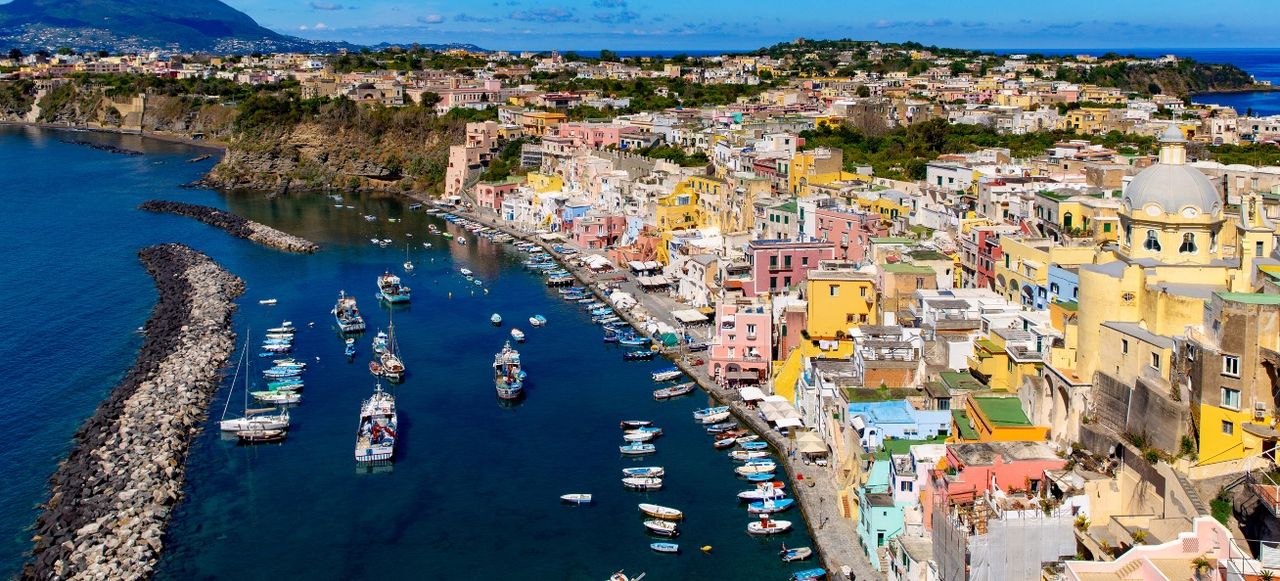
Depart Naples sailing west across Gulf waters approximately 12 nautical miles (2.5 hours in typical conditions) with dramatic Vesuvius volcano dominating eastern skyline-last major eruption 1944, continuously monitored given proximity to dense population creating geological reality underlying regional beauty. Approach colorful Procida-smallest inhabited Gulf island covering just 4.1 square kilometers with approximately 10,000 permanent residents creating authentic community character maintaining traditions beyond tourism. The island achieved global recognition as 2022 Italian Capital of Culture and through "Il Postino" (The Postman) 1994 film featuring picturesque Marina Corricella harbor. Arrival reveals distinctive pastel architecture-buildings painted yellows, pinks, blues, whites creating vibrant waterfront where fishing boats still operate from traditional anchorages, narrow lanes climb steeply toward hilltop Terra Murata medieval fortress village. The colorful buildings originally allowed fishermen identifying home from sea, practical function becoming aesthetic signature. Explore Marina Corricella-arguably Italy's most beautiful fishing harbor with unchanged character where boats pulled onto small beach, waterfront restaurants serve fresh catch with authentic preparations, no cars allowed maintaining pedestrian scale and peaceful atmosphere. Walk upward to Terra Murata (Walled Land)-ancient fortified village perched on island's highest point (91 meters) with magnificent panoramic views across complete Gulf revealing Naples, Vesuvius, Ischia, Capri creating complete geographical context. The abandoned Palazzo d'Avalos former prison now cultural center, Chiesa di San Michele with golden baroque interior, narrow lanes demonstrate authentic island heritage. Evening brings tranquil atmosphere-waterfront dinner featuring local seafood, limoncello, authentic character demonstrating Procida represents Gulf islands at their most genuine and unchanged, perfect introduction before tomorrow's larger volcanic Ischia.
Day 2: Procida to Ischia
Nautical Miles: 8
Travel Time: 1.5 hours
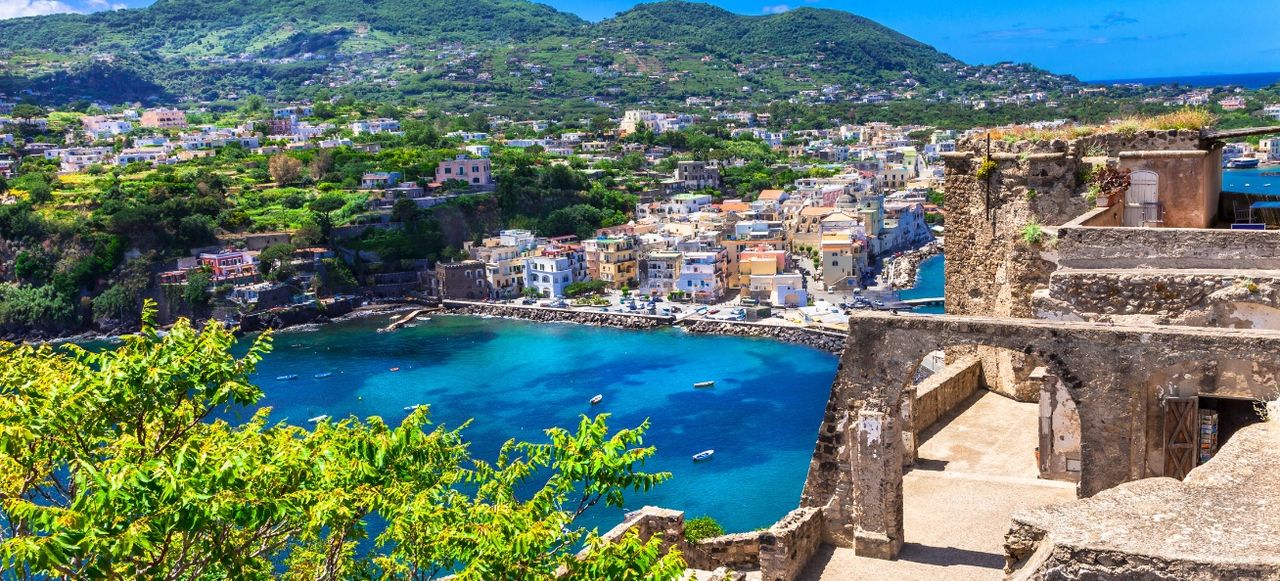
Departing charming Procida, sail short 8 nautical miles west (approximately 1.5 hours) to volcanic Ischia-largest Gulf island covering 46.3 square kilometers with approximately 60,000 permanent residents and renowned international reputation for thermal spa traditions. The island volcanic origins created numerous hot springs utilized since ancient Greek and Roman times-over 100 thermal springs and fumaroles with temperatures reaching 80-100 degrees Celsius, rich mineral content including sulfur, chlorine, sodium creating therapeutic properties recognized for treating rheumatic conditions, skin ailments, respiratory issues, establishing modern spa resort traditions attracting wellness-focused visitors alongside yacht cruisers. Approach options include several harbors-Ischia Porto occupies ancient volcanic crater flooded by sea creating circular protected harbor, Forio west coast offers alternative marina facilities, Casamicciola and Lacco Ameno north coast provide smaller-scale options, allowing flexible arrival based on preferences and availability. Ischia Porto provides most comprehensive facilities-excellent marina berthing, provisioning, restaurants, shopping, and immediate access to Ischia town historic center with Castello Aragonese dramatic offshore fortress. The distinctive castle occupies rocky islet 113 meters high connected to main island by 220-meter causeway built 1438-impressive medieval fortress complex built Aragonese Alfonso V with Byzantine origins, residential buildings, churches including Cattedrale dell'Assunta ruins, Clarisse convent crypts containing mummified nuns creating macabre historical curiosity, spectacular panoramic views across complete island and Gulf territories demonstrating why this defensive position served strategic importance through centuries of Mediterranean conflicts.
Exploring Ischia rewards with diverse attractions beyond thermal spas. Visit magnificent Mortella Gardens (Giardini La Mortella)-exceptional botanical garden created 1956 by English composer William Walton and Argentine wife Susana, covering valley and hillside with extraordinary collection of rare and exotic plants from Mediterranean, subtropical, tropical zones thriving in Ischia's mild microclimate and volcanic soils, beautiful water features, stunning views, open-air concerts summer season, representing one of Italy's finest private gardens. Serious hikers can ascend Monte Epomeo-island's highest peak 789 meters reached via scenic trails from Fontana village providing panoramic 360-degree views revealing complete Ischia, neighboring islands Procida and Capri, Amalfi Coast, on clearest days distant Pontine Islands creating spectacular orientation. The summit features Chiesa di San Nicola chapel carved into rock and simple restaurant serving local cuisine with unbeatable views. Wine enthusiasts should explore Ischia DOC production-volcanic soils create distinctive mineral character in white wines from indigenous Biancolella and Forastera grapes, while red Piedirosso (Per' e Palummo meaning dove's foot referencing leaf shape) produces light fruity reds, with several family estates offering tastings. Beach lovers find excellent options-Maronti longest beach with natural hot springs heating sand, Citara west coast bay near Poseidon thermal gardens, numerous coves accessible by boat. Evening provides relaxed thermal spa experience-numerous facilities ranging from luxurious resort spas to more accessible thermal parks like Poseidon Gardens and Negombo offering multiple pools with varying temperatures, sea access, gardens, creating quintessential Ischia wellness experience before tomorrow's crossing to legendary glamorous Capri representing completely different island character demonstrating Gulf diversity within short sailing distances.
Day 3: Ischia to Capri
Nautical Miles: 18
Travel Time: 3.5 hours
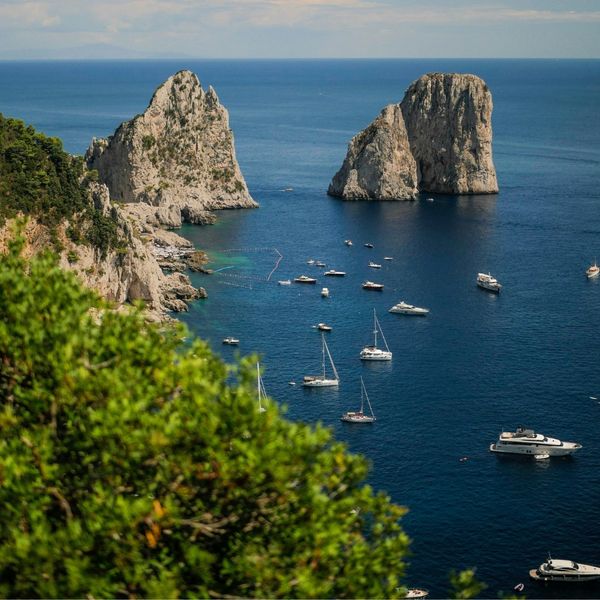
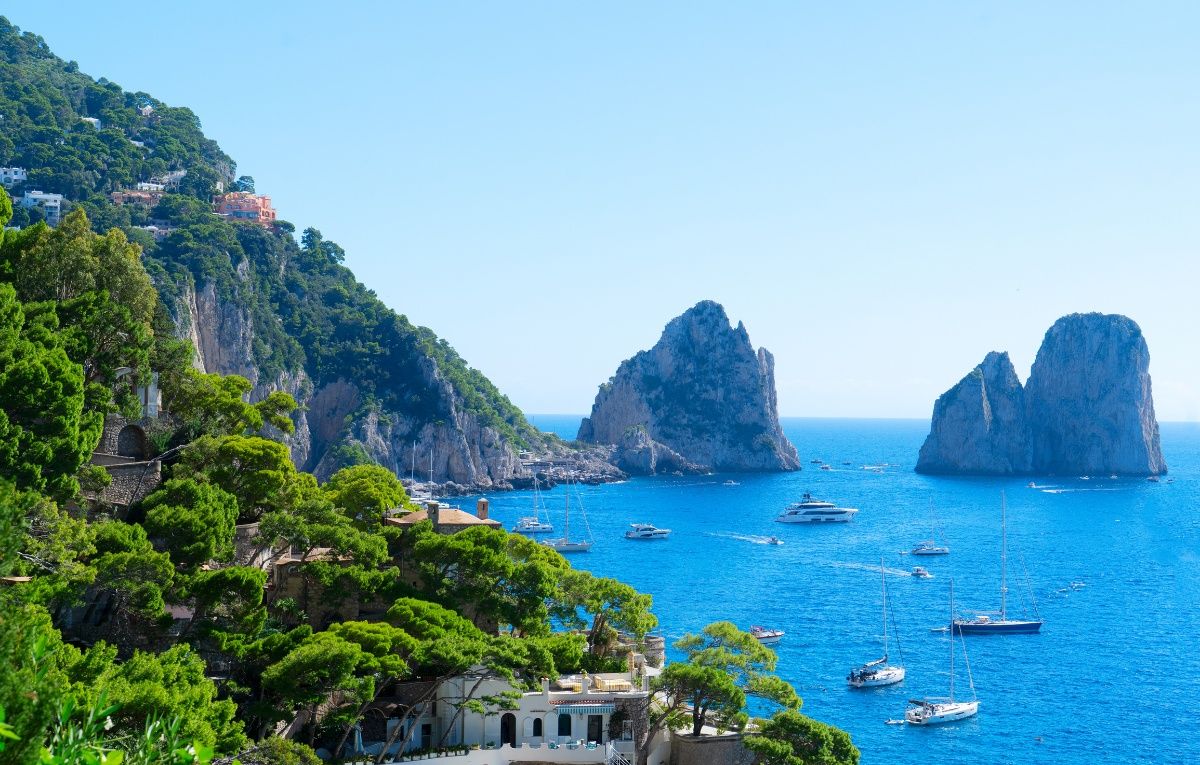
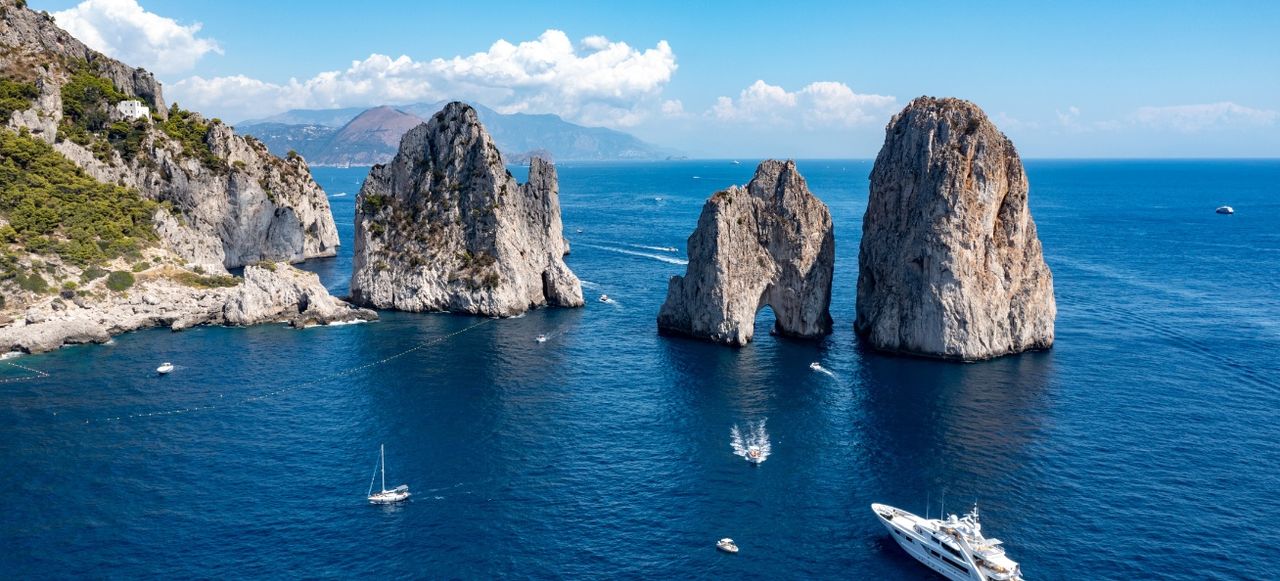
Today brings arrival at legendary Capri-Mediterranean glamour epitome and bucket-list destination combining extraordinary natural beauty with sophisticated international atmosphere creating singular island experience. The approximately 18-nautical-mile passage (3.5 hours in typical conditions) crosses from volcanic Ischia southeast toward limestone Capri, passing Punta Campanella marking Sorrento Peninsula tip where Lattari Mountains meet Tyrrhenian Sea. The dramatic approach reveals Capri's iconic geography-limestone cliffs rising vertically from crystal-clear turquoise waters, Monte Solaro highest point 589 meters, compact 10-square-kilometer island creating concentrated perfection. Essential approach includes circumnavigation viewing spectacular Faraglioni-three dramatic rock formations rising from sea on southeast coast. The outer stack stands 109 meters tall, middle formation 81 meters features famous natural arch passage 60 meters wide allowing boats to cruise through creating quintessential Capri moment photographers never tire capturing, inner stack connects to main island. According to legend, the rare blue lizard (Podarcis sicula coerulea) lives exclusively on middle Faraglione having evolved distinctive coloration through genetic isolation. Marina Grande serves as principal arrival harbor-busy port accommodating ferries from Naples and Sorrento, hydrofoils, private yachts, creating vibrant atmosphere though securing berth requires advance reservation or early arrival summer months given limited space and high demand. Alternative Marina Piccola south coast offers more exclusive beach club atmosphere though limited yacht facilities.
Exploring Capri demands visiting essential attractions beginning with famous Piazzetta (officially Piazza Umberto I)-tiny intimate square forming Capri town social center reached via funicular from Marina Grande or steep walk. The legendary square-barely 15 meters across-concentrates sophisticated atmosphere where luxury boutique windows, cafes with premium prices (espresso easily 5-7 euros reflecting exclusive location), international elite people-watching opportunities create scene maintaining traditions since 1950s Dolce Vita era when celebrities including Sophia Loren, Grace Kelly, Jackie Kennedy established Capri as jet-set destination. Beyond tourist intensity discover exceptional sites-Villa Jovis spectacular Roman ruins perched on northeast clifftop, Emperor Tiberius' principal residence 27-37 CE when he ruled Roman Empire remotely from Capri for final decade, massive complex originally covering 7,000 square meters with imperial apartments, administrative offices, cisterns, spectacular panoramic views demonstrating ancient appreciation for island beauty and strategic isolation. Monte Solaro highest point accessible via chairlift from Anacapri provides complete island panorama revealing gulf, Amalfi Coast, on clearest days distant Pontine Islands. Charming Anacapri-upper town reached via winding road or historic Phoenician Steps (921 steps)-maintains more authentic character with Villa San Michele, former home of Swedish physician Axel Munthe whose memoir "The Story of San Michele" became international bestseller describing Belle Époque Capri life, featuring Roman artifacts collection and beautiful gardens with breathtaking views. The Blue Grotto (Grotta Azzurra) requires separate excursion-spectacular sea cave with ethereal blue light effects caused by sunlight entering underwater entrance then reflecting through water creating magical atmosphere, visited by small rowboats (approximately 15 euros per person) though only accessible calm conditions and certain tides limiting access. Evening brings sophisticated dining-excellent restaurants though prices reflect exclusive reputation, luxury shopping along Via Camerelle, limoncello liqueur from island lemon terraces, and unique atmosphere demonstrating why Capri achieved legendary status as Mediterranean sophistication epitome worth the premium prices and crowds for bucket-list experience impossible to replicate elsewhere.
Day 4: Capri to Positano
Nautical Miles: 15
Travel Time: 3 hours
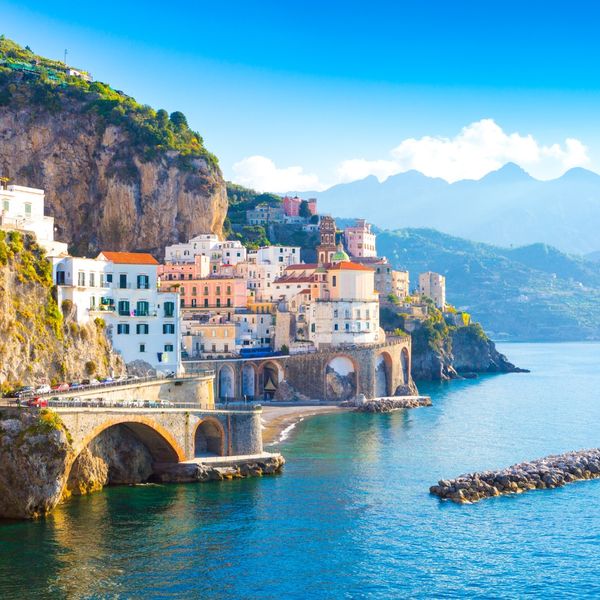
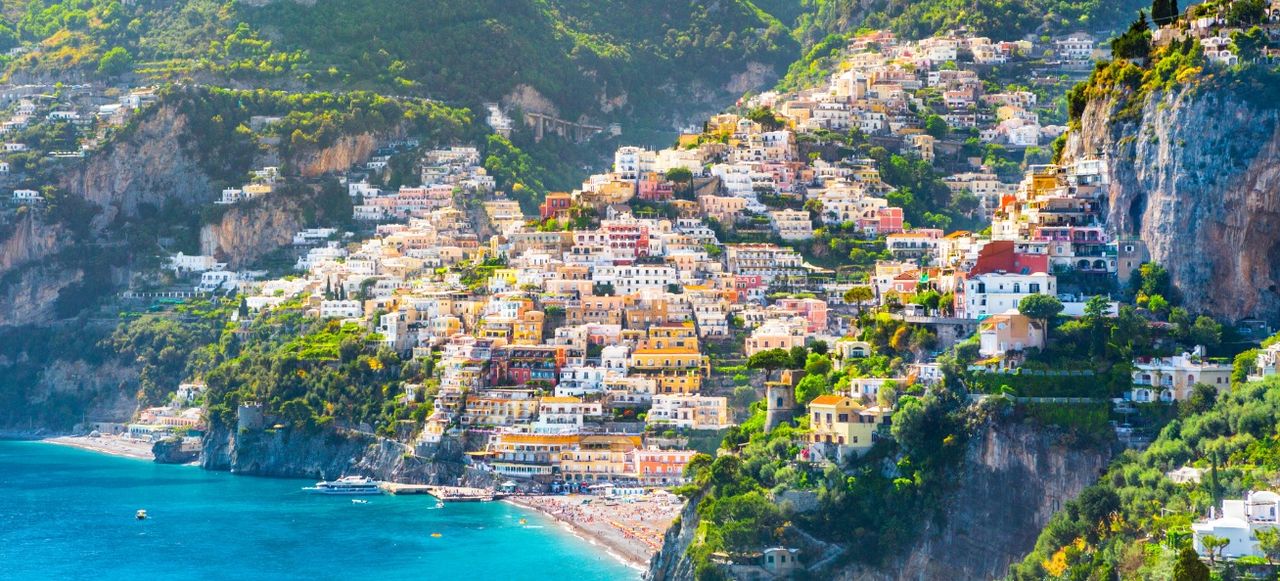
Departing legendary Capri, cruise approximately 15 nautical miles (3 hours allowing scenic coastal viewing) northeast reaching breathtaking UNESCO World Heritage Amalfi Coast-extraordinary territory where dramatic limestone Lattari Mountains plunge vertically into Tyrrhenian Sea creating spectacular geography forcing colorful villages onto cliffsides and narrow coastal ledges. The passage rounds Punta Campanella marking Sorrento Peninsula tip then follows increasingly dramatic coastline eastward. UNESCO recognition came 1997 acknowledging outstanding Mediterranean cultural landscape where natural beauty, traditional architecture, terrace agriculture, historic communities combine creating exceptional territory covering 13 municipalities from Positano through Amalfi to Vietri sul Mare. Destination Positano represents Amalfi Coast visual epitome-arguably Italy's most photographed coastal town where pastel pink, yellow, peach, white buildings cascade impossibly steep slopes (some lanes requiring 400+ steps) toward small beach creating iconic vertical beauty. The dramatic approach from sea reveals complete composition impossible to appreciate from land-colorful buildings stacked vertically up mountainside, majolica-tiled dome of Chiesa di Santa Maria Assunta providing architectural focal point, narrow beach, small harbor with water taxis and fishing boats, luxury hotels perched on cliffs, overall effect creating postcard perfection photographed millions of times yet never losing extraordinary impact. Securing mooring requires advance planning-limited buoy field often fully reserved summer months, or water taxi from anchorage offshore, creating access challenges rewarded by spectacular setting.
Exploring Positano means embracing vertical reality-the town spreads across mountainside connected by countless stepped lanes (scalinatas) too narrow for vehicles creating pedestrian-only character where porter services transport luggage and deliveries via carts or shoulder. Walk atmospheric lanes discovering elegant boutiques selling handmade sandals (Positano developed sandal-making reputation 1950s-60s), bespoke linen clothing in flowing Mediterranean styles, artisan ceramics with vibrant coastal designs, limoncello from local terraced lemon groves. Visit Chiesa di Santa Maria Assunta-baroque church with distinctive majolica-tiled dome visible throughout town, interior houses revered Byzantine icon of Black Madonna with Child dating possibly 12th-13th century, legend claims painting arrived miraculously by sea from Constantinople. The town beach (Spiaggia Grande) offers narrow strip of dark sand and pebbles with beach clubs providing lounger rentals (25-40 euros) and restaurants though free access zones exist, swimming in crystal-clear waters with dramatic cliff backdrop creates memorable setting. Nearby smaller Fornillo beach reached via coastal path provides more peaceful atmosphere. Dining embraces vertical reality with restaurants built into cliffsides offering spectacular terrace views-fresh seafood emphasizing local catch, pasta with Amalfi Coast lemons, excellent regional wines, though prices reflect exclusive reputation and extraordinary setting. The evening brings magical atmosphere-clifftop lights twinkling as darkness falls, warm terrace dinners with dramatic views, sophisticated boutique browsing, limoncello nightcaps, and synthesis demonstrating why Positano represents Amalfi Coast vertical beauty at its most concentrated and photographed, creating bucket-list moment justifying crowds and premium prices before tomorrow's continuation to historic Amalfi revealing different coastal character combining maritime republic heritage with vertical drama in larger-scale town demonstrating UNESCO territory diversity.
Day 5: Positano to Amalfi
Nautical Miles: 8
Travel Time: 1.5 hours
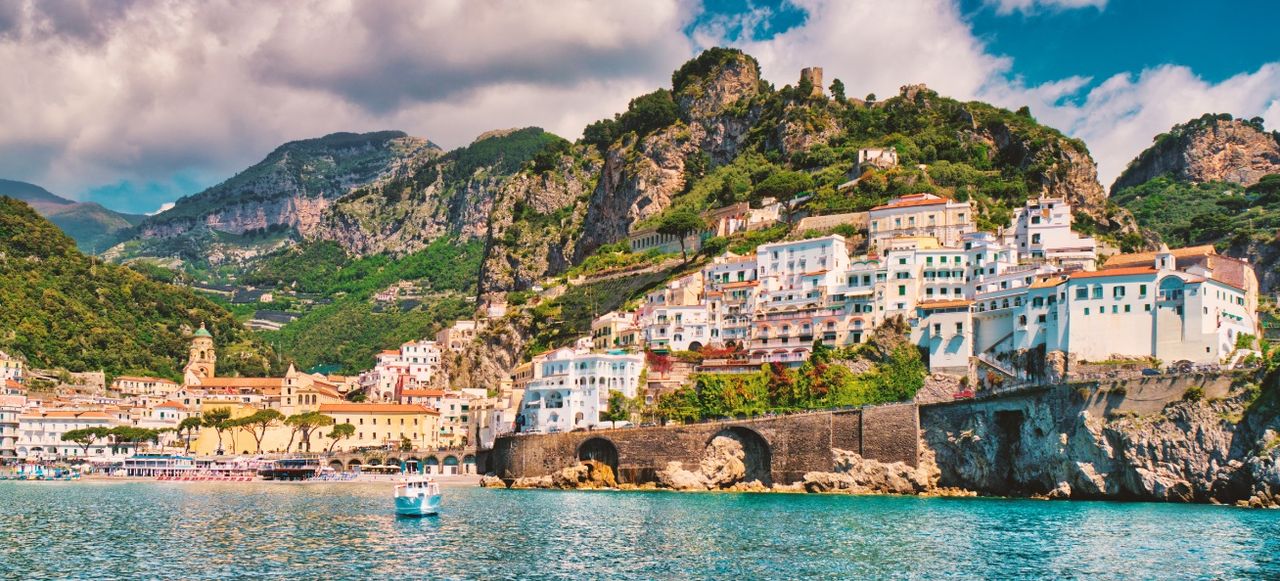
Departing vertical Positano, continue short 8 nautical miles (approximately 1.5 hours) east along spectacular Amalfi Coast discovering more dramatic cliffside scenery, hidden beaches accessible primarily by boat, and occasional villages perched impossibly high before reaching historic Amalfi-former Maritime Republic and coast namesake. The coastal passage reveals why this territory achieved UNESCO recognition-vertical cliffs plunging 500+ meters directly into sea, terraced lemon groves clinging impossibly to steep slopes supported by ancient stone walls, occasional watchtowers from Saracen pirate defense era, colorful villages, dramatic beauty creating outstanding cultural landscape. Consider stopping beautiful beaches including Furore fjord-dramatic cleft in cliffs creating narrow inlet with small beach, or Conca dei Marini with emerald-green Grotta dello Smeraldo sea cave featuring underwater nativity scene. Approach to Amalfi reveals different character from Positano-larger town (approximately 5,000 residents) occupying small flat valley where Canneto stream descends through gorge creating rare coastal plain allowing more horizontal development though still surrounded by dramatic cliffs. The harbor accommodates ferries, water taxis, private vessels with marina facilities, creating busier arrival atmosphere reflecting town historical importance as independent Maritime Republic 839-1200 CE controlling significant Mediterranean trade routes before Norman conquest ended autonomy.
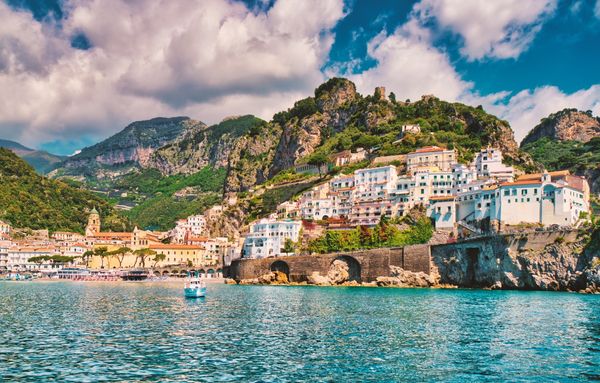
Exploring Amalfi requires understanding maritime republic heritage-the town ranked alongside Venice, Genoa, Pisa as major Medieval Italian maritime powers controlling Mediterranean commerce, establishing trading colonies, developing maritime legal codes (Tavole Amalfitane) adopted throughout Mediterranean, minting own currency, building merchant fleet. The magnificent Duomo di Sant'Andrea (Cathedral of St. Andrew) dominates central piazza-spectacular Arab-Norman Romanesque facade rebuilt 19th century with striking black-white striped design, grand staircase approach, bronze doors cast Constantinople 1066 being among Italy's oldest, beautiful Cloister of Paradise (Chiostro del Paradiso) with 13th-century Moorish arches creating atmospheric quadrangle housing ancient sarcophagi and frescoes, Baroque interior with gilded coffered ceiling, crypt containing St. Andrew Apostle relics brought from Constantinople 1206 making cathedral pilgrimage site. Adjacent Museum houses maritime republic treasures and religious artifacts. Beyond cathedral discover Amalfi Paper Museum (Museo della Carta)-celebrating town's medieval paper-making industry established 13th century utilizing water power from mountain streams, producing high-quality paper exported throughout Europe, traditional methods continuing at small workshops where artisans demonstrate historic techniques creating handmade papers sold as stationery and artistic materials. Walk atmospheric historic center discovering artisan shops, ceramic studios, limoncello producers, restaurants serving local specialties including scialatielli (fresh pasta type invented Amalfi) with seafood. The town provides practical advantages-good provisioning with supermarkets, banks, services, less vertical intensity than Positano allowing easier exploration, authentic residential community beyond tourism. Afternoon allows optional excursion to spectacular Ravello-hilltop village perched 365 meters elevation approximately 7 kilometers above Amalfi accessible via bus or taxi, featuring Villa Rufolo and Villa Cimbrone with world-famous gardens offering panoramic coastal views inspiring Wagner's Parsifal and countless visitors, summer classical music festival. Evening in Amalfi brings more accessible atmosphere than exclusive Positano-harbor-side restaurants with fresh catch, relaxed piazza ambiance, authentic character demonstrating coast maritime heritage beyond vertical beauty before tomorrow's westward return beginning via charming Nerano hidden gem and sophisticated Sorrento completing circuit.
Day 6: Amalfi to Nerano and Sorrento
Nautical Miles: 18+
Travel Time: 3.5 hours
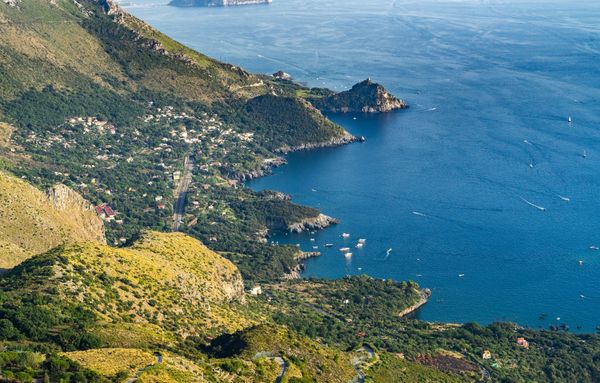
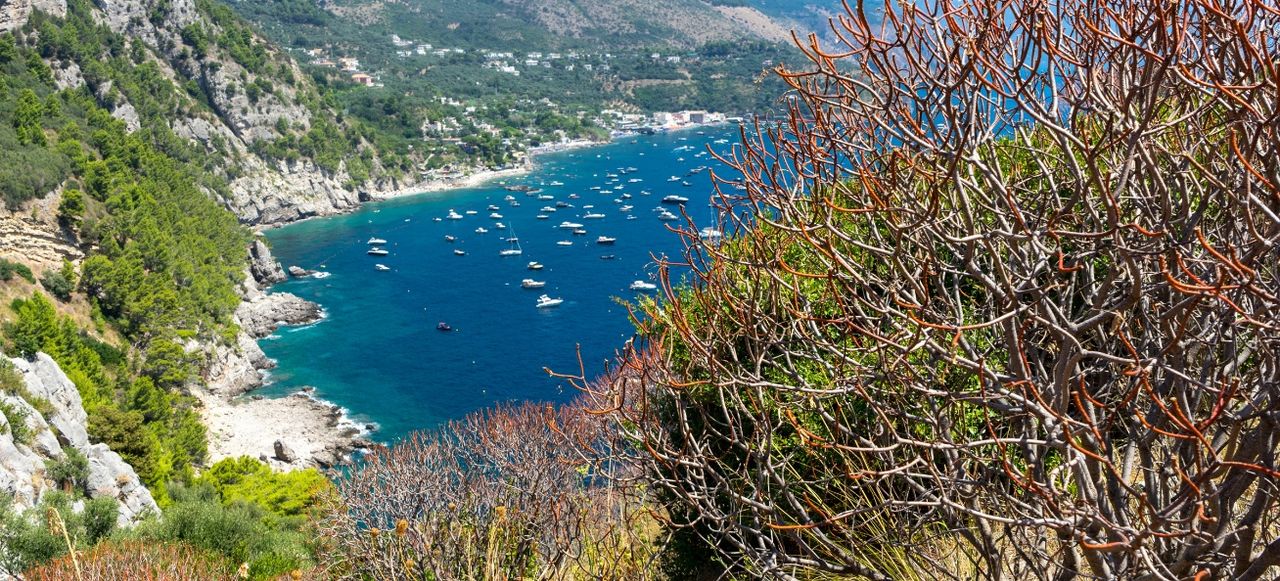
Today begins westward return from Amalfi toward Naples via two contrasting destinations-charming Nerano hidden village, and sophisticated Sorrento elegant resort-totaling approximately 18 nautical miles allowing leisurely pacing with extended lunch stop. Departing Amalfi, cruise west retracing spectacular coastline then rounding dramatic Punta Campanella marking Sorrento Peninsula tip where Amalfi Coast transitions to different Sorrento coastal character. First stop brings peaceful Nerano-small village tucked in protected bay (Baia di Ieranto) offering authentic character and culinary fame contrasting Positano and Amalfi tourist intensity. The bay forms part of Punta Campanella Marine Protected Area established 1997 preserving exceptional underwater biodiversity-extensive Posidonia oceanica meadows, rocky reefs, abundant fish populations, occasional dolphins, creating excellent swimming and snorkeling conditions with crystal visibility revealing Mediterranean marine life. Nerano achieved gastronomic fame for one dish-spaghetti alla Nerano, invented 1950s by local restaurant owner Nerano Maria Grazia combining pasta, fried zucchini, Provolone del Monaco local cheese, basil, olive oil creating simple perfection now served throughout area though local beach restaurants claim most authentic preparations. Essential experience requires lunch at one of famous beach restaurants-Da Emilia, Taverna del Capitano, Maria Grazia-where dining tables set directly on beach or terraces overlooking turquoise bay, fresh pasta with perfectly fried zucchini achieving crispy exterior, local cheese melting through creating umami-rich sauce, cold white wine, relaxed atmosphere demonstrate Amalfi Coast culinary traditions at their most authentic and delicious without excessive formality or prices.
Continue approximately 10 nautical miles northwest reaching sophisticated Sorrento-elegant cliff-top resort perched on tuff stone platform overlooking Gulf toward Vesuvius and Naples with sophisticated international atmosphere, comprehensive facilities, and distinct character from vertical Amalfi Coast villages. The town occupies dramatic position atop 50-meter cliffs carved from soft volcanic tuff, creating platform where historic center developed with regular street grid, spacious piazzas, comprehensive services. Marina Piccola harbor accessed via winding road or elevator-through-rock accommodates ferries, hydrofoils, private yachts with good facilities. Sorrento combines ancient origins (Greek and Roman settlements) with Belle Époque resort development attracting 19th-century Grand Tour travelers establishing elegant hotel traditions continuing today. Walk central Piazza Tasso-lively square named for poet Torquato Tasso born Sorrento 1544, author of epic poem "Gerusalemme Liberata," surrounded by cafes, shops, connecting to pedestrian Corso Italia main shopping street. Explore historic center discovering Chiesa di San Francesco with beautiful 14th-century cloister featuring mixed architectural styles, narrow lanes with artisan workshops producing inlaid-wood (intarsio) decorative objects-traditional Sorrento craft, ceramics, limoncello production from famous Sorrento IGP lemons growing in terraced coastal groves (femminello St. Teresa variety) creating protected designation liqueur. The clifftop position provides spectacular sunset views across Gulf toward Vesuvius, Naples, Ischia creating romantic atmosphere. Dining offers excellent options-fresh seafood, pasta preparations, regional specialties, generally more accessible prices than Positano though still reflecting resort sophistication. Evening brings refined atmosphere-elegant hotel terraces, sophisticated restaurants, limoncello nightcaps, pleasant passeggiata, associations with traditional Neapolitan song "Torna a Surriento" (Come Back to Sorrento) creating romantic heritage demonstrating Sorrento represents Gulf coast elegance before tomorrow's final return to vibrant Naples completing perfect 7-day circuit experiencing all major Campania icons.
Day 7: Sorrento to Naples
Nautical Miles: 20
Travel Time: 4 hours
Your final Icons of Campania passage cruises approximately 20 nautical miles (4 hours) northwest from elegant Sorrento across Gulf waters returning to vibrant Naples-convenient round-trip conclusion allowing flexible disembarkation timing and final city exploration. The crossing provides time reflecting on extraordinary week experiencing Italy's most celebrated destinations while progressive approach reveals complete Gulf geography-Sorrento Peninsula receding behind, volcanic Vesuvius dominating eastern skyline growing larger, Naples urban sprawl spreading along coast, islands Capri, Ischia, Procida visible behind creating 360-degree understanding of territories explored. The passage allows final swimming stops at beautiful beaches-Bagni della Regina Giovanna near Sorrento features remarkable natural pool carved into tuff stone platform connected to sea through Roman tunnel creating sheltered swimming, or Vico Equense area offers accessible coves. Approaching Naples from Gulf reveals city seafront character-Castel dell'Ovo fortress on Megaride island marking historic center, Castel Nuovo defensive bulk, extensive port facilities, modern seafront promenade, Vesuvius backdrop creating distinctive urban maritime profile. Return to Mergellina or chosen marina allows convenient berthing close to city attractions, provisioning, services, and Naples International Airport (Capodichino) just 7 kilometers facilitating efficient departure logistics or extended Naples exploration before onward travel.
Final Naples time allows visiting attractions missed at journey beginning or revisiting favorites-the extraordinary National Archaeological Museum houses world's finest Pompeii and Herculaneum artifact collections including famous Alexander Mosaic, Secret Cabinet of erotic art, Egyptian collection, Farnese sculptures creating essential complement to Vesuvius area archaeological site visits though requires separate inland excursion. Walk vibrant Spanish Quarters (Quartieri Spagnoli)-dense neighborhood grid built 16th century housing Spanish garrison troops, now authentic working-class district where narrow lanes, hanging laundry, street shrines, intense atmosphere demonstrate genuine Neapolitan urban life beyond tourist zones. Visit underground Naples (Napoli Sotterranea)-fascinating 2,400-year network of Greek-Roman aqueducts, cisterns, tunnels beneath city streets including WWII air-raid shelters creating remarkable subterranean cityscape, guided tours reveal hidden history. Sample final Neapolitan specialties-sfogliatella pastries (riccia crispy version or frolla smooth version) filled with sweetened ricotta and candied fruit, baba rum-soaked yeast cakes, strong espresso at historic cafes. The seafront Lungomare promenade provides relaxed reflection walk with Vesuvius views, street performers, locals exercising creating vibrant scene. As journey concludes after 7 days and 90 nautical miles, reflect on concentrated Campania perfection experienced-departing vibrant Naples with UNESCO heritage and pizza traditions, discovering colorful Procida authentic fishing character and "Il Postino" beauty, volcanic Ischia thermal spa heritage and Aragonese Castle drama, legendary Capri Mediterranean glamour with Faraglioni icons and Blue Grotto magic, breathtaking UNESCO Amalfi Coast vertical beauty of Positano cascading impossibly steep, historic Amalfi maritime republic heritage and cathedral magnificence, charming Nerano culinary fame and marine sanctuary, sophisticated Sorrento cliff-top elegance and limoncello traditions, and returning to dynamic Naples urban vitality. This comprehensive circuit demonstrated why Campania attracts global recognition as Italy's premier yacht charter destination-combining ancient Greco-Roman heritage visible through Pompeii proximity and archaeological treasures, volcanic landscapes creating fertile soils and thermal traditions, authentic island communities maintaining character beyond tourism, legendary Capri sophistication inspiring worldwide coastal glamour standards, UNESCO Amalfi Coast representing Mediterranean vertical beauty at its most spectacular and photographed, excellent Neapolitan culinary traditions from pizza perfection to limoncello excellence, and accessible 90-nautical-mile geography allowing complete experience within classic one-week charter duration, fulfilling expectations for iconic Italian sailing adventure visiting territories familiar from films, photographs, travel dreams while revealing authentic character beyond tourist images representing Campania at its finest and most celebrated.