Day 1: Venice exploration
Nautical Miles: 0
Travel Time: No sailing
Your Doges' Adriatic voyage begins with full day exploring magnificent Venice-La Serenissima (Most Serene Republic) before tomorrow departing into magical lagoon islands. Venice demands comprehensive exploration given extraordinary concentration of artistic, architectural, and cultural treasures accumulated through millennium of maritime republic dominance 697-1797. Begin at iconic Piazza San Marco-arguably Europe's most beautiful square with magnificent Basilica di San Marco eastern end showcasing Byzantine architecture covered in golden mosaics depicting biblical scenes, saints, Venetian history, distinctive five domes, four bronze horses looted Constantinople Fourth Crusade 1204 (current exterior horses are copies, originals preserved inside museum protecting from pollution), Pala d'Oro altarpiece covered in gold, gems, enamel panels creating extraordinary Byzantine treasure. The adjacent Campanile bell tower (98.6 meters tall, collapsed 1902, rebuilt identically 1912) provides panoramic lagoon views revealing complete geographic context. Enter magnificent Doge's Palace (Palazzo Ducale)-Gothic masterpiece housing government of elected Doges with ornate Sala del Maggior Consiglio (Great Council Chamber) featuring Tintoretto Paradise painting-world's largest canvas, ornate chambers with Veronese ceiling paintings, impressive Scala d'Oro golden staircase, famous Bridge of Sighs (Ponte dei Sospiri) connecting to prisons where prisoners supposedly sighed seeing final view of beautiful Venice before incarceration, creating comprehensive introduction to Venetian Republic government complexity, artistic patronage, and architectural magnificence demonstrating wealth from Mediterranean trade dominance.
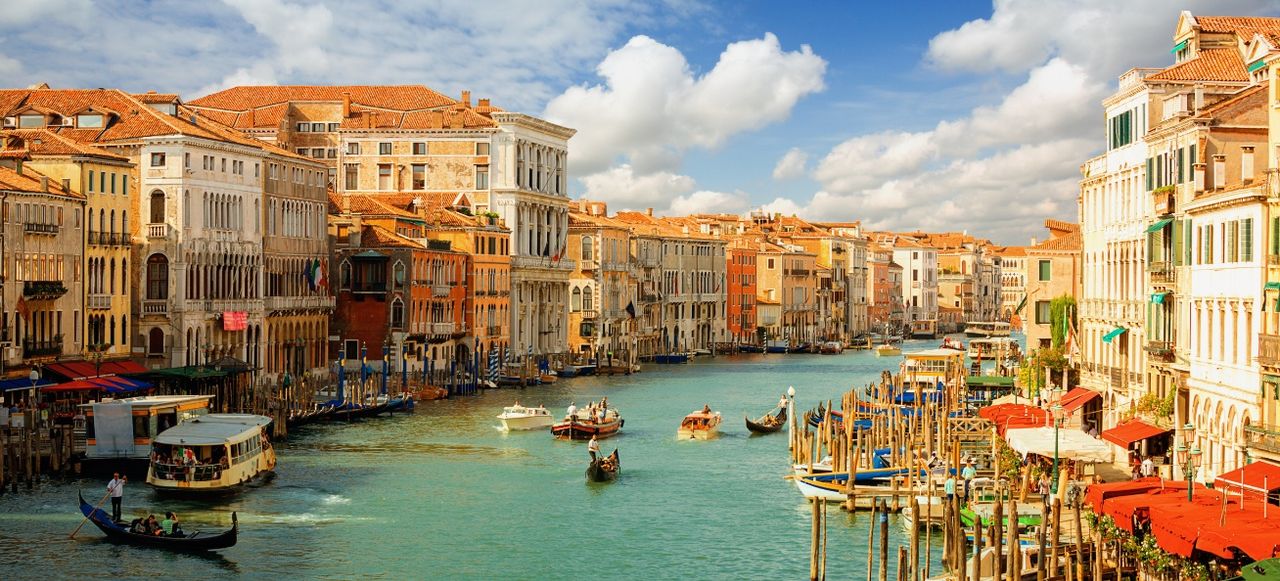
Continue exploring via vaporetto water bus (most practical Venice transportation) along Grand Canal-principal waterway shaped like inverted S winding through city lined with over 170 buildings mostly dating 13th-18th centuries including Renaissance-Gothic palazzi demonstrating merchant family wealth, churches, Ca' d'Oro (Golden House) featuring elaborate Gothic facade with gold leaf decoration, Palazzo Grassi contemporary art venue, Ca' Rezzonico baroque palace now museum of 18th-century Venice. The iconic Rialto Bridge-white limestone single-span arch built 1588-91 designed by Antonio da Ponte replacing earlier wooden bridges-provides perfect Grand Canal photo opportunity and access to Rialto Market with morning fish market showcasing lagoon catches and vegetable stalls supplying restaurant ingredients. Explore atmospheric Dorsoduro district discovering Gallerie dell'Accademia-finest collection of Venetian painting including Bellini, Giorgione, Titian, Tintoretto, Veronese masterpieces demonstrating Venetian School color-focused style contrasting Florentine drawing emphasis, Basilica di Santa Maria della Salute imposing baroque church built thanksgiving for plague deliverance with octagonal design and distinctive domes dominating Grand Canal entrance. Walk atmospheric neighborhoods discovering small campi (squares), artisan workshops, bacari wine bars serving cicchetti (Venetian tapas) with local wines, authentic neighborhood character beyond tourist intensity. Essential experiences include traditional gondola ride through smaller canals revealing Venice at intimate scale (expensive 80-100 euros but quintessential experience), attending opera at La Fenice historic theater rebuilt after 1996 fire, visiting Arsenal historic shipyards producing Venetian Republic warships with Biennale contemporary art exhibitions utilizing vast industrial spaces. Evening brings aperitivo traditions at canalside bars, excellent seafood dinner at traditional trattoria emphasizing lagoon specialties including sarde in saor (sweet-sour sardines), risotto de go (goby fish), fegato alla veneziana (calf liver with onions), baccalà mantecato (creamed salt cod), molecular polenta, accompanied by Veneto wines particularly Soave white or Valpolicella red, creating perfect Venice immersion before tomorrow beginning lagoon island exploration revealing craft traditions, colorful architecture, ancient Byzantine heritage demonstrating complete Venetian territories beyond famous urban core.
Day 2: Venice to lagoon islands: Murano, Burano, Torcello
Nautical Miles: 15+
Travel Time: 3 hours
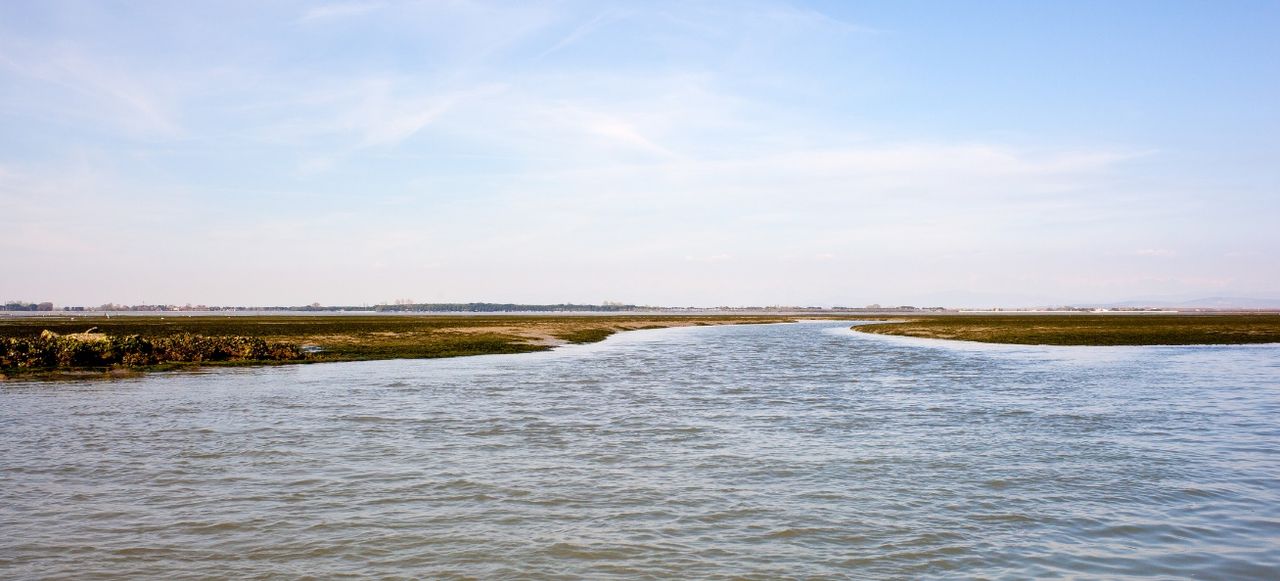
Departing Venice marina (multiple options including San Giorgio, Certosa, Sant'Elena) begin exploring magical Venetian Lagoon islands-approximately 15 nautical miles total allowing visits to three essential islands revealing craft traditions, colorful architecture, ancient heritage demonstrating complete lagoon character. Navigate carefully following marked channels (bricole wooden poles) avoiding shallow mud banks dangerous to keels-lagoon averages just 1-2 meters depth with deeper channels maintained for navigation, requiring attention to charts and markers. First stop brings Murano-world-famous glass-making island just 1.5 kilometers north of Venice where entire glass industry relocated 1291 from Venice proper due to fire risks from furnaces creating concentrated craft district. The island comprises several smaller islands connected by bridges with canals similar to Venice though less grand scale. Visit Museo del Vetro (Glass Museum) in Palazzo Giustinian showcasing extraordinary collection of historical Murano glass from Roman period through contemporary pieces demonstrating technique evolution, visiting fornaci (glass furnaces) offering demonstrations where master glassmakers create elaborate pieces using centuries-old techniques-blowing, shaping, adding color, creating chandeliers, mirrors, sculptures, decorative objects though very tourist-focused with aggressive sales approaches. The traditional techniques include lattimo (milk glass), aventurine (sparkly effect), filigrana (filigree threading), murrine (millefiori patterns), closely-guarded secrets passed through families creating distinctive Murano style recognized globally though modern competition from cheaper Asian imports threatens traditional production. Walk atmospheric fondamenta (canal walkways) discovering artisan workshops, restaurants, Chiesa di Santa Maria e San Donato with beautiful 12th-century Byzantine mosaic floor demonstrating Murano historical importance beyond glass production.
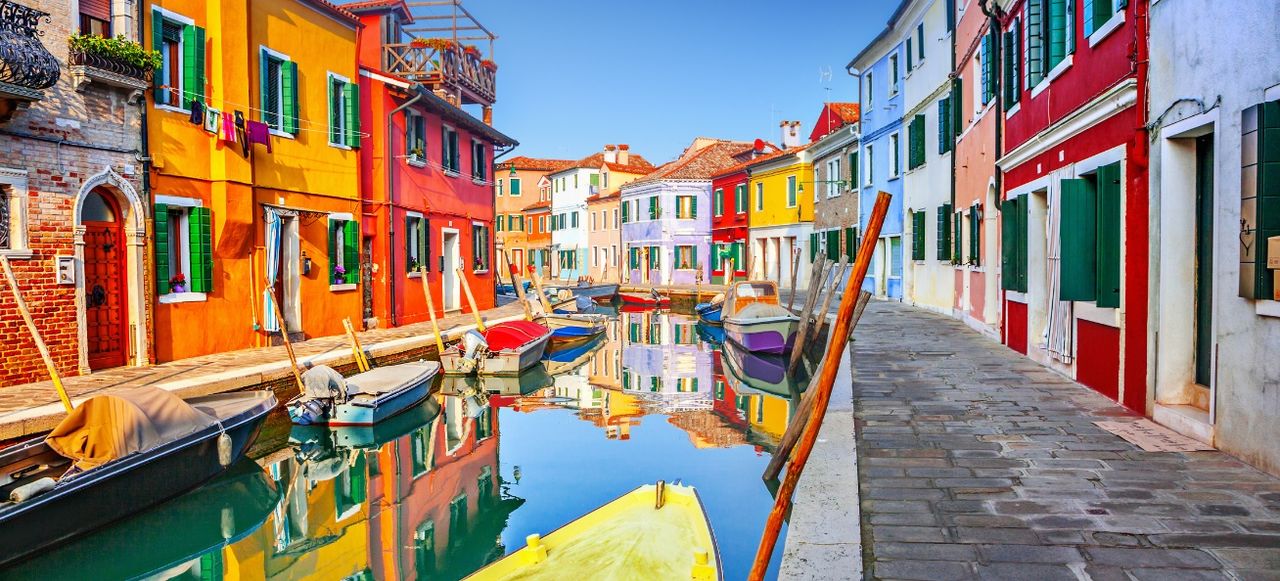
Continue approximately 7 kilometers northeast to colorful Burano-lace-making island with distinctive vibrantly painted fishermen houses creating Instagram-perfect aesthetic. The brilliant colors-bright yellows, blues, pinks, greens, oranges-originally allowed fishermen identifying homes from lagoon in dense fog creating practical function now becoming primary tourist draw, with building color changes requiring government approval maintaining traditional palette. Explore atmospheric lanes discovering traditional Burano lace (merletto) handmade using needle lace techniques-extraordinarily time-intensive process creating delicate patterns, Museo del Merletto (Lace Museum) preserving heritage and demonstrating techniques though authentic handmade production minimal today given hours required creating single piece making prices prohibitive (quality tablecloth easily costing thousands euros), most shops selling machine-made or imported lace despite "Burano" claims requiring careful assessment if purchasing. The island maintains authentic fishing character-boats at quayside, nets drying, morning fish market, excellent seafood restaurants particularly renowned for risotto de go (goby fish risotto) local specialty using small lagoon fish, bussolai S-shaped butter cookies traditional Burano baking. Finally reach ancient Torcello approximately 5 kilometers further north-lagoon original major settlement predating Venice with population once exceeding 20,000 (9th-12th centuries) before malaria and silting caused abandonment, current population under 20 creating peaceful atmospheric contrast to tourist-crowded Venice and Burano. The essential attraction requires visiting remarkable Basilica di Santa Maria Assunta-founded 639 CE making it oldest lagoon building, current structure rebuilt 11th century, interior houses extraordinary Byzantine mosaics including complete west wall Last Judgment scene and beautiful Madonna and Child apse mosaic predating St. Mark's Basilica demonstrating Venice architectural-artistic origins, adjacent Chiesa di Santa Fosca 11th-century church with Byzantine Greek cross plan, small archaeological museum, legendary "Attila's Throne" 5th-century stone chair associated with Hun king though likely actually judge's seat, creating peaceful immersion in lagoon ancient history before modern Venetian expansion. Evening allows returning Venice or remaining lagoon overnight at Burano or Torcello anchorages experiencing tranquil atmosphere after day-trippers depart, reflecting on complete lagoon character combining world-famous craft traditions, distinctive colorful architecture, ancient Byzantine heritage, unique saltwater-freshwater ecology before tomorrow departing protected lagoon entering open northern Adriatic beginning coastal progression toward Trieste.
Day 3: Lagoon to Caorle
Nautical Miles: 20
Travel Time: 4 hours
Today brings transition from protected Venetian Lagoon to open northern Adriatic-departing via lagoon northern inlets (typically Lido di Jesolo area) then cruising approximately 20 nautical miles (4 hours) northeast along coast reaching charming Caorle. The passage represents geographical and experiential shift-exiting lagoon sheltered brackish waters with careful navigation through inlet channels where tidal currents strengthen, entering open Adriatic with deeper waters, small waves from winds, different sailing character. The coastline initially shows developed character-long sandy beaches of Jesolo, Eraclea Mare resort areas-before reaching more authentic Caorle maintaining historic fishing village character despite summer tourism. Caorle occupies small peninsula (Punta Falconera) projecting into Adriatic creating natural harbor protection exploited since Roman times when settlement served as port for inland Roman Concordia (modern Portogruaro). Medieval period brought Venetian Republic control establishing fishing traditions and defensive structures, distinctive architectural character developed with colorful houses similar to Burano though different history-Caorle colors represented different fishing families rather than fog identification creating vibrant waterfront. The town maintains genuine character-working fishing harbor where boats still operate daily catches, morning fish market supplying restaurants, authentic residential community beyond summer beach tourists concentrated along extensive sandy beaches flanking historic center.
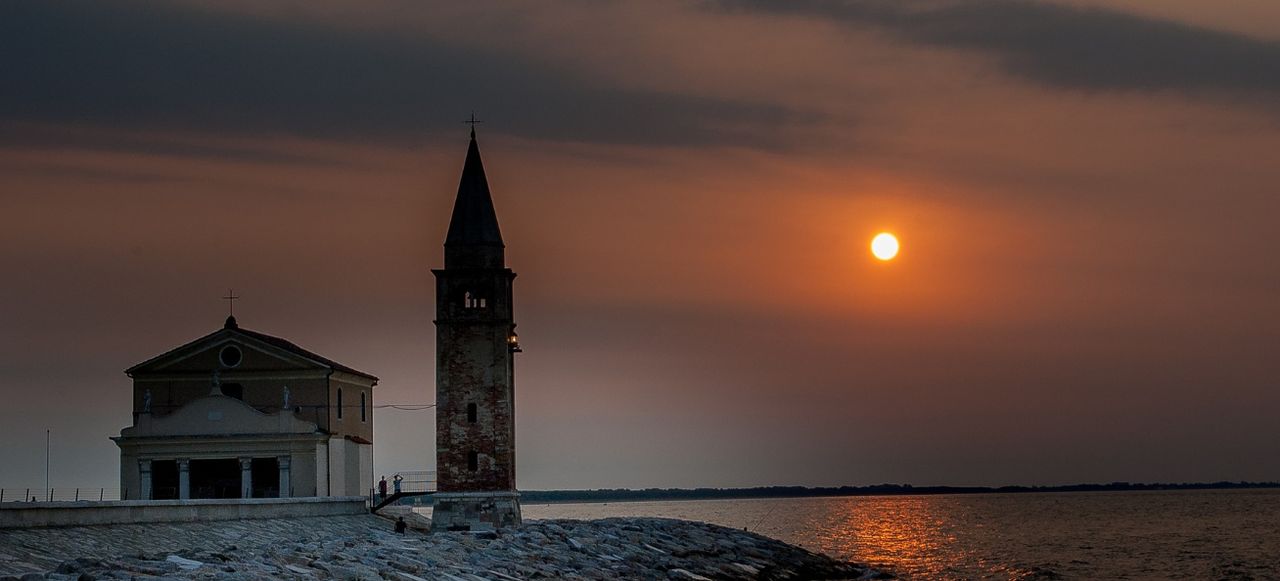
Exploring Caorle requires visiting distinctive Duomo (Cathedral) dedicated to St. Stephen-Romanesque structure rebuilt 11th century on earlier foundations with remarkable cylindrical bell tower (campanile cilindrico) 48 meters tall built separate from church as defensive watchtower against pirate raids creating distinctive profile visible throughout town, interior preserves 14th-century Byzantine-influenced altarpiece and religious artifacts. Walk picturesque historic center discovering colorful fishermen houses along fondamenta, calli (narrow lanes) maintaining medieval urban fabric, numerous churches including Madonna dell'Angelo sanctuary occupying dramatic position on rocks jutting into sea at peninsula tip connected to beach by scenic coastal path (Scogliera Viva living cliff sculpture park with contemporary artworks), creating atmospheric exploration territory combining religious heritage with seaside setting. The excellent beaches flanking historic center-Levante east side and Ponente west side-extend for kilometers with fine golden sand, shallow waters ideal for families, beach clubs offering loungers and refreshments, explaining summer Italian tourism popularity though authentic character maintained in fishing harbor and historic quarter. Marina facilities provide good services with fuel, water, provisions nearby. Culinary specialties emphasize fresh seafood-grilled fish, seafood pastas, brodetto (local fish soup variant), accompanied by Veneto wines particularly whites from nearby Lison-Pramaggiore DOC. Evening brings relaxed atmosphere-waterfront restaurants, locals and visitors strolling lungomare seaside promenade, fishing boats illuminated at harbor creating authentic northern Adriatic coastal town ambiance demonstrating territories once under Venetian control maintaining maritime traditions while developing resort amenities, before tomorrow continuing northeast toward Lignano Sabbiadoro extensive beaches and eventually historic Grado revealing complete Upper Adriatic coastal diversity from Venetian lagoon origins through fishing villages to Habsburg-influenced territories approaching Trieste demonstrating journey progression connecting La Serenissima maritime heritage to cosmopolitan borderland destination representing northern Adriatic historical, cultural, and geographic richness.
Day 4: Caorle to Lignano Sabbiadoro
Nautical Miles: 15
Travel Time: 3 hours
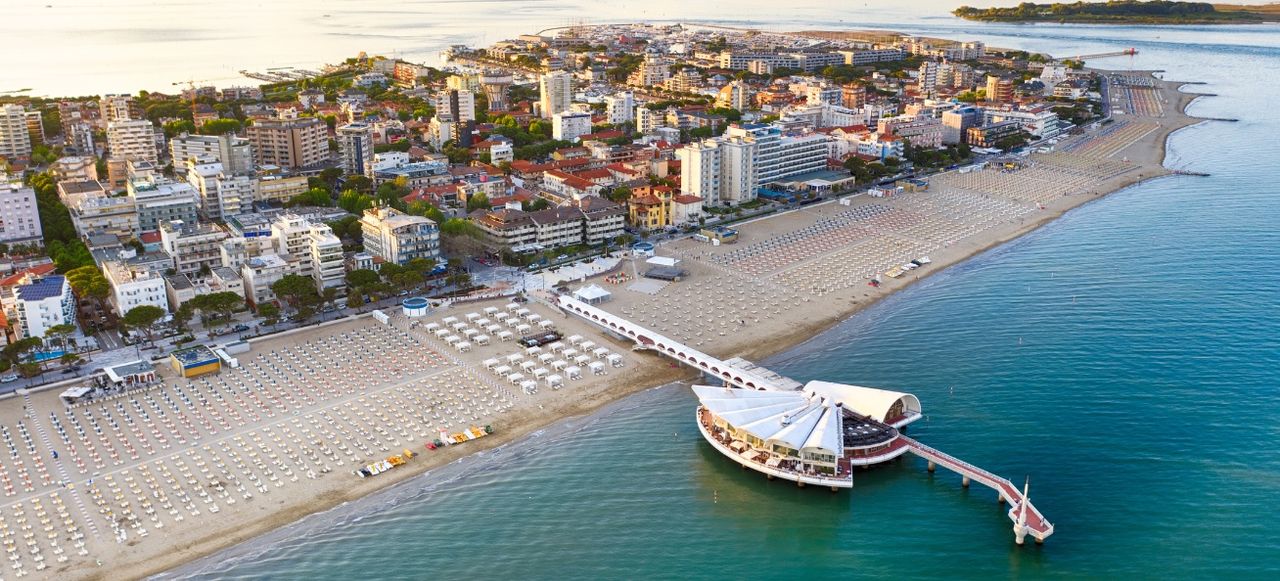
Departing charming Caorle, continue approximately 15 nautical miles (3 hours) northeast along northern Adriatic coast reaching Lignano Sabbiadoro-distinctive resort peninsula extending into Adriatic with extensive sandy beaches and comprehensive tourism infrastructure. The passage follows relatively straight coastline with shallow offshore waters typical of northern Adriatic requiring attention to depths and fishing activity though straightforward navigation. Lignano occupies narrow sandy peninsula (approximately 8 kilometers long, 1 kilometer wide maximum) between Tagliamento River mouth and Marano Lagoon creating distinctive geography-Adriatic beaches south side, calmer lagoon north side-with three distinct zones: Lignano Sabbiadoro original historic center at western end with harbor and commercial center, Lignano Pineta middle section designed 1950s by architect Marcello D'Olivo with distinctive spiral urban plan and pine forest creating garden city atmosphere, and Lignano Riviera eastern end with modern resort development. The town developed relatively recently-minor fishing settlement until early 20th century, major resort expansion beginning 1930s continuing post-WWII creating purpose-built beach destination rather than historic town adapting to tourism, attracting particularly Austrian, German, central European visitors given proximity and Habsburg-era connections when territory belonged to Austro-Hungarian Empire before WWI Italian annexation, maintaining strong ties with German-speaking markets visible through signage, menus, visitor demographics.
Lignano Sabbiadoro offers comprehensive resort amenities-approximately 8 kilometers of fine golden sandy beaches (sabbiadoro means golden sand) with extensive beach club infrastructure providing loungers, umbrellas, water sports, children facilities explaining family-friendly reputation, pleasant promenade (Lungomare Trieste) lined with hotels, restaurants, shops, bars creating vibrant summer atmosphere, good marina facilities (Marina Uno, Darsena Porto Vecchio) with comprehensive services, numerous restaurants though more tourist-oriented than authentic character found in Caorle or upcoming Grado. The resort nature creates different experience from historic destinations-less cultural attractions beyond modern resort activities, focus on beach relaxation, water sports, evening entertainment, shopping, appealing particularly to families and beach-focused visitors rather than heritage seekers. Optional activities include visiting Parco Zoo Punta Verde-comprehensive zoo with diverse animal collection and botanical gardens, Aquasplash water park popular with children, Hemingway Park pine forest with walking-cycling trails providing natural respite from beach intensity, or short excursion to nearby Marano Lagoon-smaller lagoon system similar to Venice with fishing traditions and birdlife though less developed for tourism. Evening brings lively atmosphere along Terrazza a Mare wooden pier extending 300 meters into Adriatic with restaurants, bars, entertainment creating focal point for evening passeggiata, though overall character more resort-focused than authentic Italian coastal town reflecting purpose-built tourism development. The stop provides relaxed beach day recovery from cultural intensity of Venice and lagoon islands while progressing toward historic Grado tomorrow-ancient Roman spa town and Byzantine Patriarchate seat with early Christian basilicas representing complete contrast to modern Lignano resort demonstrating northern Adriatic coastal diversity from Venetian heritage through contemporary beach resort to ancient Roman-Byzantine territories approaching Habsburg-influenced Trieste Gulf creating varied week-long journey experiencing complete Upper Adriatic character combining multiple historical periods, cultural influences, coastal types within accessible sailing distance demonstrating why this distinctive Italian territory rewards exploration revealing layers of maritime heritage, resort development, and borderland complexity.
Day 5: Lignano Sabbiadoro to Grado
Nautical Miles: 10
Travel Time: 2 hours
Departing modern Lignano Sabbiadoro, cruise short approximately 10 nautical miles (2 hours) northeast entering Grado Lagoon system reaching historic Grado-ancient town occupying island between lagoon and Adriatic with fascinating Roman, early Christian, Byzantine heritage contrasting completely with yesterday's purpose-built resort. Navigation requires attention entering lagoon channels similar to Venice though smaller scale, following markers to Grado harbor. The town ancient origins date to Roman period when established as harbor and spa destination (Aquae Gradatae meaning pleasant waters) for major inland Roman city Aquileia-one of empire's largest cities (population possibly exceeding 100,000 at peak 2nd-3rd centuries CE) located approximately 10 kilometers inland, accessible via navigable waterway. When Aquileia suffered destruction from Attila Hun invasion 452 CE then Lombard attacks 6th century, population fled to safer island Grado establishing new settlement, particularly significant when Patriarchate of Aquileia seat temporarily moved to Grado 568-606 CE creating rival Patriarchate of Grado maintaining jurisdiction over Venetian territories versus inland Aquileia Patriarchate until 1451 reunion, establishing Grado ecclesiastical importance visible through early Christian basilicas. Subsequent Byzantine control, then Venetian Republic dominance from 11th century maintaining fishing and salt production traditions, Austrian Habsburg period after Venetian fall until WWI Italian annexation 1918, created layered heritage visible throughout historic center.
Exploring Grado requires visiting remarkable early Christian basilicas demonstrating ecclesiastical heritage. The Basilica di Sant'Eufemia-principal cathedral originally built 6th century, current structure rebuilt 9th century, features beautiful geometric mosaic floors from 6th century (some of Italy's finest early Christian mosaics) depicting geometric patterns, animals, inscriptions, wooden ceiling, stone ambo (pulpit), simple Romanesque-Byzantine architectural character creating atmospheric worship space preserving 1,500-year heritage. Adjacent Baptistery with octagonal plan and original 6th-century mosaics demonstrates complete early Christian architectural complex. Nearly Basilica di Santa Maria delle Grazie-smaller 6th-century church also featuring beautiful mosaic floors and Byzantine architectural elements, together creating exceptional concentration of early Christian heritage rare in northern Italy where many such structures destroyed or heavily modified. Walk atmospheric historic center (Centro Storico) discovering narrow calli similar to Venice but smaller scale, colorful houses, fishing harbor (Porto Mandracchio) where boats still operate, Campo dei Patriarchi central square, authentic residential community maintaining traditions. The fishing quarter (Quartiere dei Pescatori) preserves genuine character-casoni traditional fishermen huts with thatched roofs originally used temporary shelters now protected heritage, morning fish market, excellent seafood restaurants emphasizing local lagoon catches particularly moleche (soft-shell crabs) seasonal delicacy, go fish preparations similar to Venice demonstrating lagoon culinary continuity. Beyond historic center, Grado developed modern beach resort along extensive sandy beaches with thermal spa facilities maintaining Roman aquae gradatae wellness traditions using seawater and sand therapies, creating synthesis where ancient heritage coexists with contemporary tourism. Optional excursion visits magnificent Aquileia archaeological site inland-UNESCO World Heritage Roman city ruins with stunning early Christian basilica featuring complete 4th-century mosaic floor covering 760 square meters depicting biblical scenes, portraits, symbolism representing largest early Christian floor mosaic in western world, archaeological museum showcasing Roman artifacts, requiring vehicle though absolutely essential for Roman heritage enthusiasts. Evening in Grado brings relaxed atmosphere-harbor-side restaurants with excellent seafood, locals gathering in campi, appreciation for authentic historic town maintaining fishing traditions and early Christian heritage while accommodating tourism, creating perfect synthesis before tomorrow beginning final coastal progression beneath dramatic Karst cliffs toward sophisticated cosmopolitan Trieste representing journey climax where Venetian maritime heritage transitions to Habsburg imperial legacy demonstrating complete northern Adriatic historical, cultural, and geographical diversity.
Day 6: Grado to Duino
Nautical Miles: 15
Travel Time: 3 hours
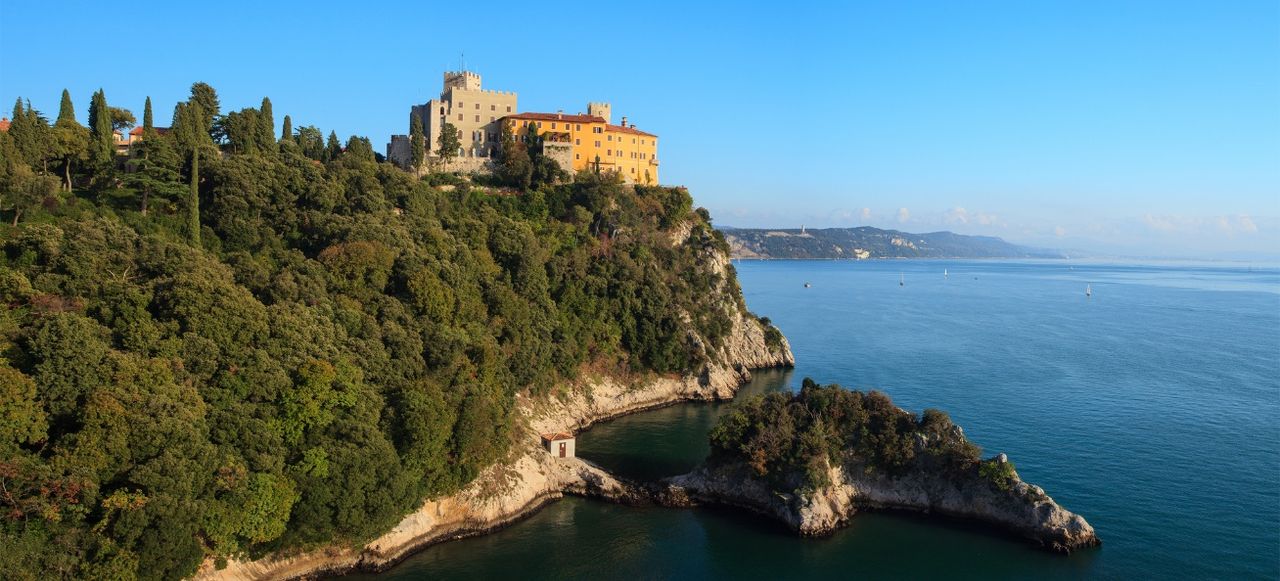
Today brings dramatic coastal character change-departing Grado Lagoon cruising approximately 15 nautical miles (3 hours) northeast along increasingly spectacular coastline where limestone Karst plateau begins rising from sea creating white cliffs replacing flat Venetian-Friuli terrain, entering Trieste Gulf (Golfo di Trieste) reaching elegant Duino beneath dramatic clifftop castle. The geographical transition proves remarkable-the Karst (Carso in Italian, Kras in Slovenian) distinctive limestone plateau extending from Trieste through Slovenia to Croatia characterized by underground drainage creating caves, sinkholes, underground rivers rather than surface water, poor soils supporting limited agriculture, windswept terrain, creating harsh landscape contrasting lush Venetian territories, famous globally giving name to karst topography geological phenomenon. The approach to Duino reveals white limestone cliffs plunging directly into Adriatic, clifftop Castello di Duino dramatic position, distinctive character entering borderland territories where Italian, Slovenian, Germanic influences converge creating multicultural complexity characteristic of Habsburg Imperial coastal territories. Duino occupies strategic position controlling gulf approaches explaining centuries of fortification-original medieval castle (Castello Vecchio) ruins visible on promontory, current Castello di Duino (Castello Nuovo) built 14th century then expanded Renaissance-Baroque periods, belonging to Princes of Thurn und Taxis aristocratic family (famous for establishing European postal system) since 1660s maintaining private residence though opening for guided tours showcasing furnished rooms, Habsburg-era elegance, extensive terraced gardens, spectacular cliff-edge position providing panoramic gulf views.
The essential Duino attraction requires walking Sentiero Rilke (Rilke Walk)-spectacular 2-kilometer clifftop path connecting Duino to neighboring Sistiana bay, named for Bohemian-Austrian poet Rainer Maria Rilke who resided Duino Castle as guest of Princess Marie von Thurn und Taxis 1911-1912 beginning composition of famous Duino Elegies inspired by landscape, castle atmosphere, dramatic cliffs, creating literary pilgrimage destination. The scenic path carved into white limestone cliffs provides breathtaking Adriatic views, Mediterranean vegetation including holm oak, Aleppo pine, wild herbs, access to small beaches, creating memorable coastal walk demonstrating why this territory inspired Rilke poetic meditations. The nearby Riserva Naturale Marina di Miramare protects marine zone around Miramare promontory (site of famous castle just 5 nautical miles toward Trieste) establishing 1986 as Italy's first marine reserve preserving Mediterranean underwater biodiversity-Posidonia oceanica meadows, rocky reefs, diverse fish populations-with educational center and guided snorkeling opportunities demonstrating conservation values. Small Duino settlement provides limited facilities-few restaurants, small marina or anchorage options requiring careful approach given rocky bottom and cliff proximity-though emphasis remains on castle visit and Rilke Walk rather than extensive village exploration, creating brief but memorable stop demonstrating Karst coastal character before tomorrow's final approach to sophisticated Trieste just 15 nautical miles northeast representing journey culmination. Evening options include remaining Duino area enjoying tranquil atmosphere and dramatic sunset views over gulf with castle silhouette, or continuing to nearby Sistiana bay with more extensive marina facilities and restaurants, or proceeding directly toward Trieste allowing early morning arrival maximizing final day exploration time at journey destination. The dramatic limestone cliffs, castle heritage, literary associations, marine reserve, and geographical transition entering Trieste Gulf create perfect penultimate stop demonstrating complete coastal diversity from flat Venetian lagoon origins through beaches and historic Roman-Byzantine Grado to dramatic Karst territories marking borderland approach to cosmopolitan Trieste Habsburg legacy representing northern Adriatic at its most geologically distinctive and historically layered preparing for tomorrow's sophisticated multicultural conclusion combining Italian, Austro-Hungarian, and Slovenian influences creating unique Italian destination impossible to experience elsewhere.
Day 7: Duino to Trieste
Nautical Miles: 10
Travel Time: 2 hours
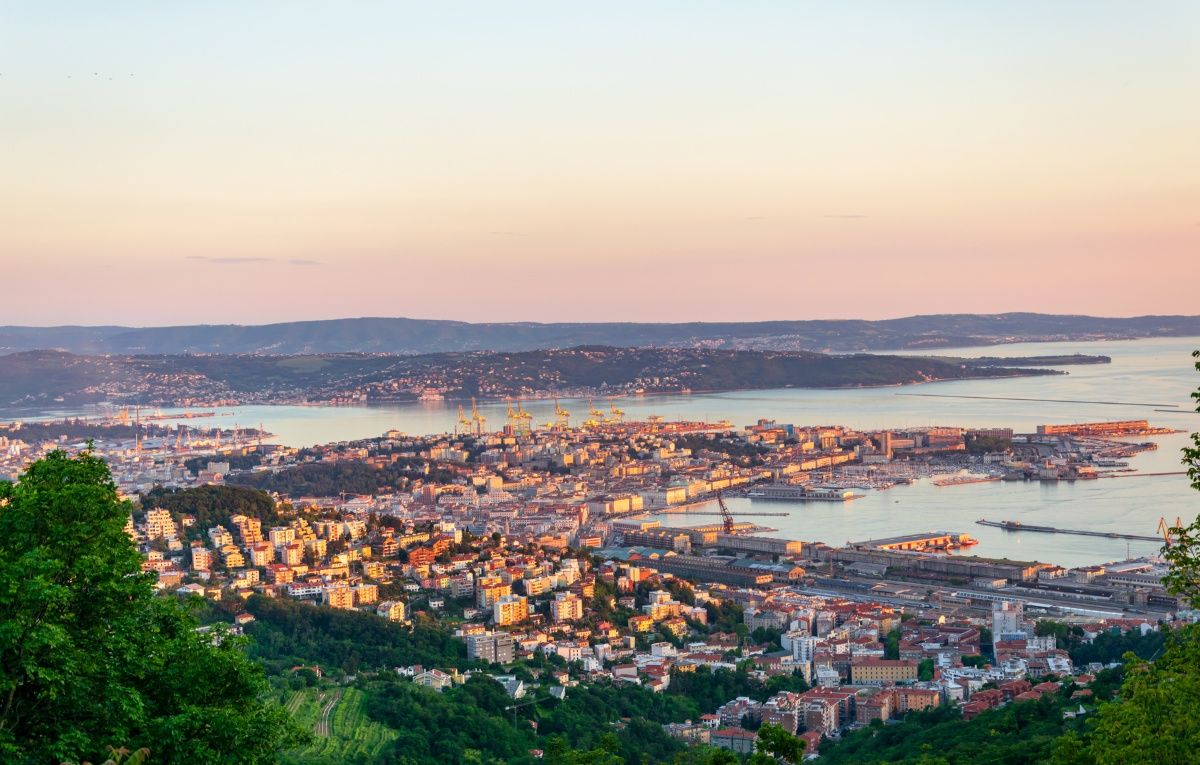
Your final Doges' Adriatic passage cruises approximately 10 nautical miles (2 hours) northeast from Duino along continued dramatic Karst coastline reaching sophisticated Trieste-journey destination and Habsburg legacy port combining Italian, Austro-Hungarian, Slovenian influences creating Italy's most distinctive cosmopolitan city. The approach passes stunning Castello di Miramare-white castle perched on promontory built 1856-60 for Habsburg Archduke Maximilian (later ill-fated Emperor of Mexico executed 1867) and wife Charlotte Belgian Princess, elaborate furnished interiors preserving imperial atmosphere, beautiful terraced gardens with exotic plants, romantic setting creating one of Italy's most photographed castles though accessible better by land visit than yacht approach given rocky promontory. Continue into Trieste Gulf revealing progressive city approach-extensive port facilities reflecting commercial importance as Austro-Hungarian Empire principal Adriatic outlet 1382-1918 (though under Habsburg control, maintaining considerable autonomy and Italian cultural character), modern container terminals, ferry connections to Greece and Croatia, then elegant waterfront where magnificent Piazza Unita d'Italia (Unity of Italy Square)-Europe's largest seafront square opens dramatically onto gulf surrounded by imposing Habsburg-era buildings creating architectural grandeur. Arrival at marina facilities (multiple options including Portopiccolo nearby or central Trieste Yacht Club, commercial Molo Venezia) provides excellent services with comprehensive provisioning, convenient historic center access, efficient onward logistics given Trieste airport (Ronchi dei Legionari), excellent rail connections to Ljubljana Slovenia (90 minutes), Vienna Austria (6 hours), Venice (2 hours) enabling extended regional exploration or efficient departure.
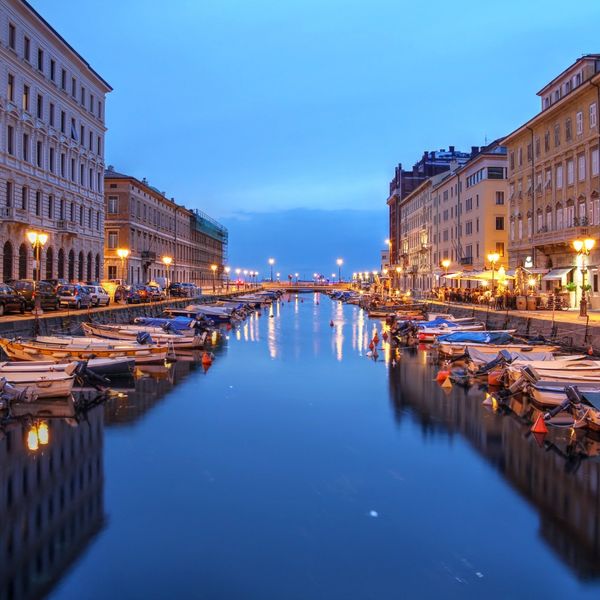
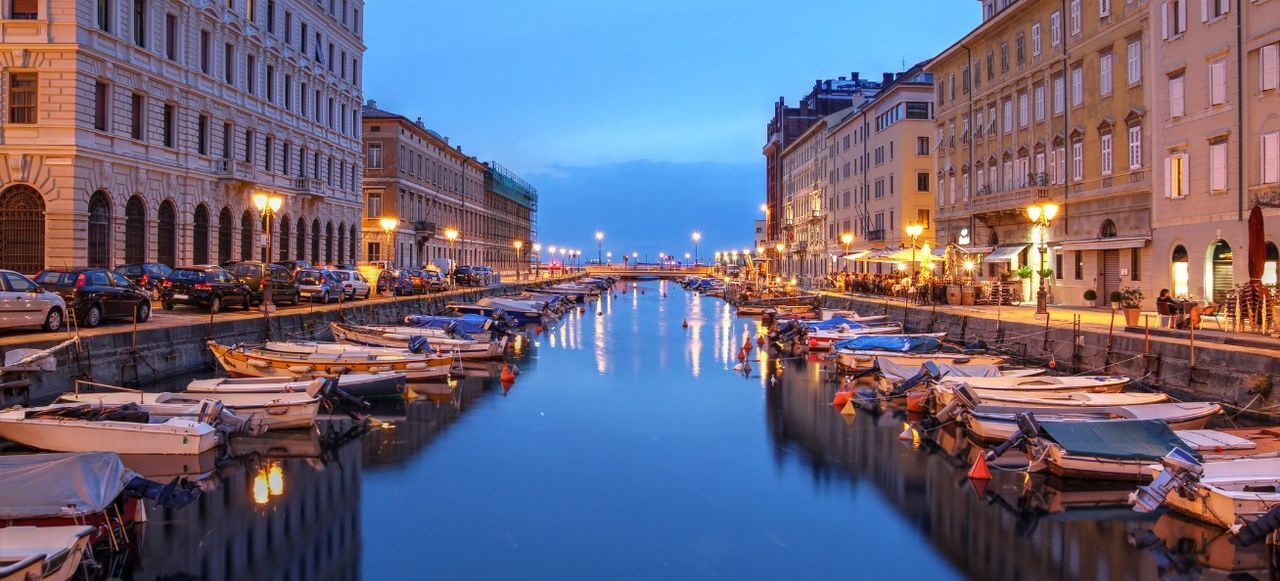
Comprehensive Trieste exploration requires full day given extraordinary concentration of attractions demonstrating unique character. Begin at magnificent Piazza Unita d'Italia-monumental square surrounded by Palazzo del Governo (Government Palace) with Habsburg architectural grandeur, Lloyd Triestino building (historic shipping company headquarters), elegant Caffe degli Specchi and other historic cafes where Mitteleuropa intellectual traditions flourished creating Trieste renowned coffee culture (city claims highest per capita coffee consumption Italy), open gulf side creating dramatic setting particularly evening when illuminated. Explore historic center discovering layers-Roman theater ruins from 1st-2nd centuries CE demonstrating ancient Tergeste settlement, medieval hilltop San Giusto compound including cathedral combining two earlier 5th-6th century basilicas merged 14th century with beautiful Byzantine mosaics and Venetian influences, castle with panoramic views, then Austro-Hungarian neoclassical elegance along Canale Grande commercial waterway built 1756 allowing boats penetrating city center (now picturesque promenade), Habsburg administrative buildings, elegant residential districts. Visit remarkable churches including Serbian Orthodox San Spiridione with Byzantine architecture reflecting significant Serbian community, Greek Orthodox San Nicolo demonstrating Greek merchant presence, synagogue serving historically important Jewish community, creating multicultural religious landscape. The literary heritage adds romantic dimension-James Joyce resided Trieste 1904-1915 teaching English and writing portions of Dubliners, Portrait of the Artist, Ulysses, house museum preserves connections, Italo Svevo (Ettore Schmitz) native son author of Confessions of Zeno and Joyce friend, Umberto Saba poet-bookseller with antiquarian bookshop preserved, creating significant Mitteleuropa literary flowering. Essential visit requires Castello di Miramare (accessible taxi or bus from city)-tour furnished imperial apartments, explore terraced gardens with 22 hectares of exotic plants, enjoy romantic gulf views demonstrating Habsburg architectural patronage. Trieste distinctive cuisine reflects multicultural character-Italian seafood base with boreto fish stew, Austrian influences including gnocchi, gulash, Vienna schnitzel, Slovenian jota bean-sauerkraut-pork soup, apple strudel pastries, excellent osmize traditional wine cellars in surrounding Karst countryside open seasonally serving house wines with simple food creating authentic experience, coffee traditions with specific Triestine terminology and preparation. As journey concludes after 7 days and 85 nautical miles, reflect on concentrated northern Adriatic perfection experienced-departing magnificent Venice La Serenissima maritime republic with St. Mark's Byzantine splendor and Grand Canal Renaissance palazzi, exploring magical lagoon islands Murano glass-making, colorful Burano lace and painted houses, ancient Torcello Byzantine mosaics demonstrating Venetian origins, departing protected lagoon into open Adriatic discovering charming Caorle fishing heritage and Romanesque cathedral, relaxed Lignano Sabbiadoro modern resort beaches, historic Grado Roman spa town and Byzantine Patriarchate with remarkable early Christian basilicas, dramatic coastal transition beneath limestone Karst cliffs passing elegant Duino with castle and Rilke Walk literary heritage, and concluding at sophisticated cosmopolitan Trieste Habsburg legacy combining Italian-Austro-Hungarian-Slovenian influences with magnificent Piazza Unita, Miramare Castle, coffee culture, multicultural character. This comprehensive one-way passage demonstrated why northern Adriatic rewards exploration revealing layers of maritime heritage, craft traditions, Byzantine artistic treasures, Habsburg architectural elegance, borderland multicultural complexity representing Upper Adriatic at its most historically rich and culturally distinctive, fulfilling promise exploring Doges' Adriatic connecting Venetian Republic maritime dominance to Habsburg Imperial crossroads creating complete Italian sailing experience impossible to replicate elsewhere combining lagoon ecology, medieval fishing villages, Roman-Byzantine ecclesiastical heritage, dramatic Karst geology, and cosmopolitan borderland destination revealing Italy's most historically layered and geographically diverse northern coastal territories.