Day 1: Porto Ercole to Giannutri
Nautical Miles: 12
Travel Time: 2.5 hours
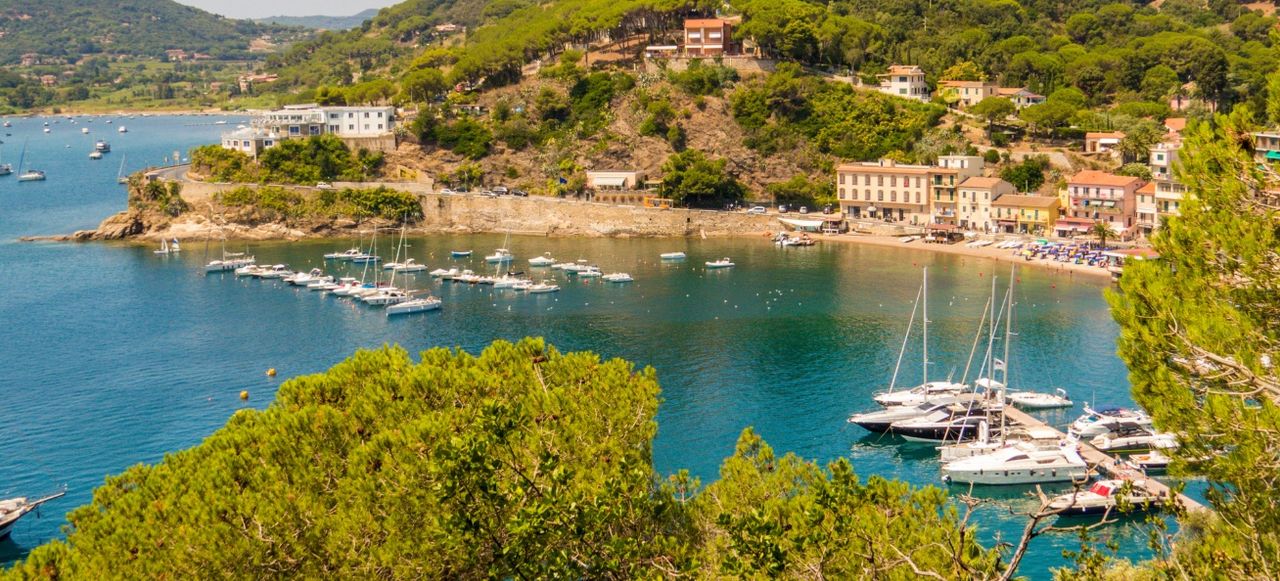
Your Tuscan Islands Explorer begins at elegant Porto Ercole on Monte Argentario promontory-sophisticated coastal resort with fascinating history and perfect gateway introducing Tuscan Archipelago National Park. Before departure, explore the distinctive twin Spanish fortresses dominating the harbor-Forte Stella crowning the northern headland with impressive star-shaped 16th-century military architecture, and Forte Filippo guarding southern approaches, both built by Spanish Kingdom of Naples (State of Presidi) controlling this strategic territory 1557-1707 creating distinctive fortified character rare on Tuscan coast. The picturesque harbor combines luxury yacht sophistication with authentic fishing heritage where colorful boats still work from traditional anchorages. Walk narrow medieval lanes climbing hillside discovering hidden piazzas, artisan workshops, excellent restaurants serving Tuscan coastal cuisine emphasizing fresh seafood with local olive oil, vegetables, wines. Visit nearby Feniglia Nature Reserve-remarkable 6-kilometer sand beach backed by coastal pine forest and wetlands providing protected habitat for migratory birds, deer populations, creating peaceful natural environment accessible from Porto Ercole. The setting on Monte Argentario-distinctive promontory connected to mainland by three narrow sand tomboli (Giannella, Feniglia) and artificial causeway through Orbetello lagoon-creates unique geography combining mountain scenery rising to 635 meters with coastal beauty and strategic position explaining centuries of fortification and maritime importance.
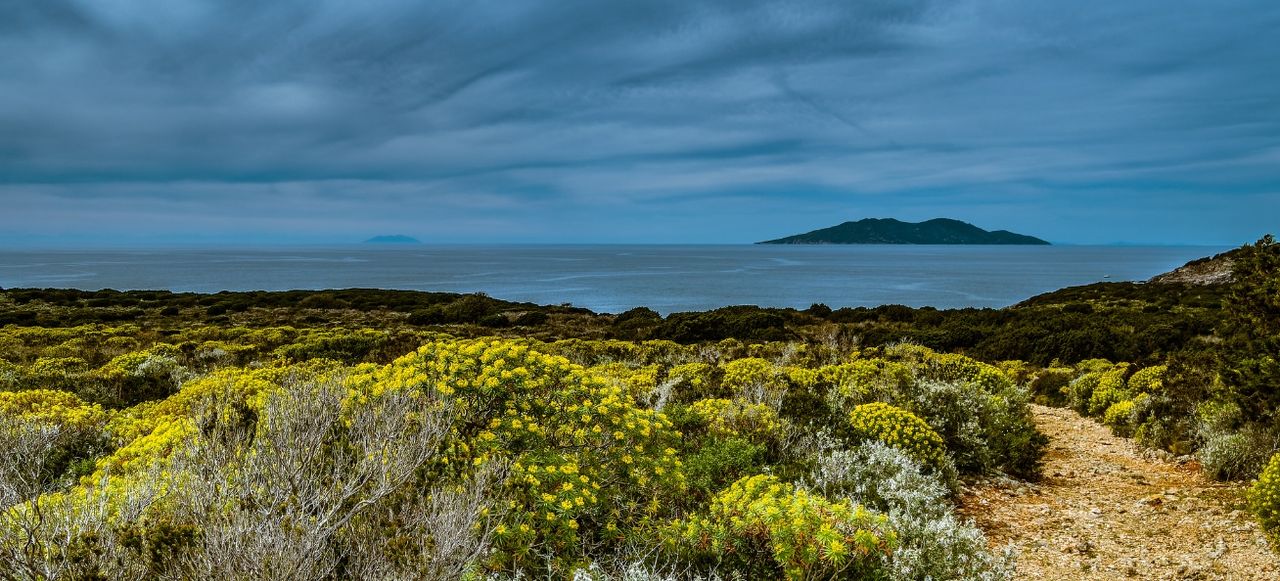
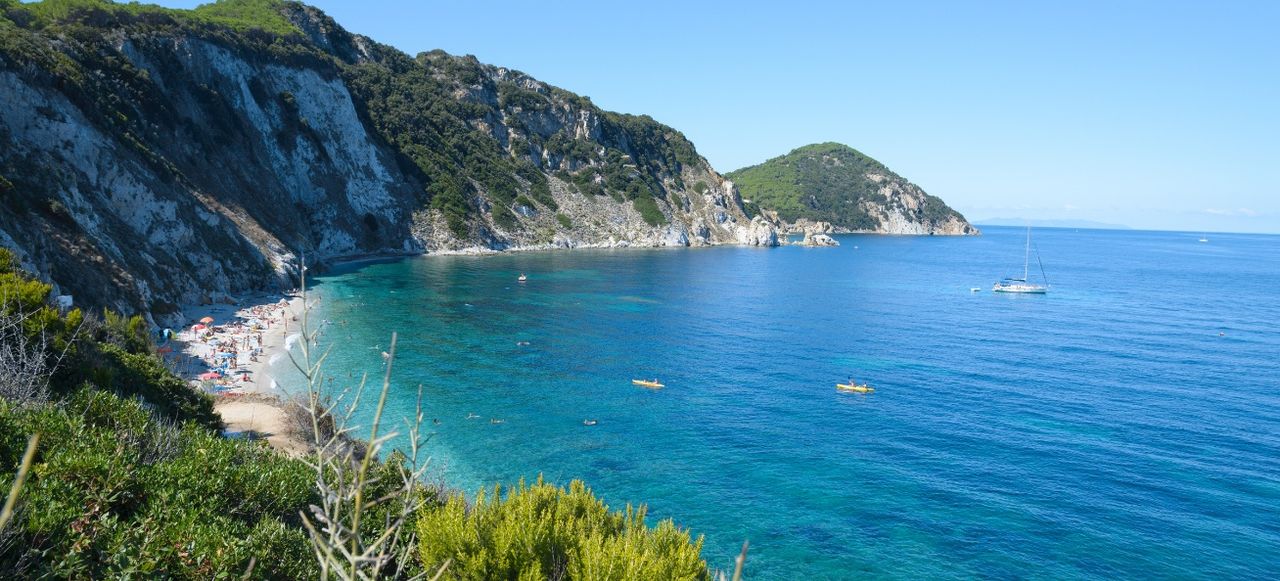
Depart Porto Ercole sailing southwest across open Tyrrhenian waters approximately 12 nautical miles (2.5 hours in typical conditions) reaching pristine Giannutri-southernmost Tuscan Archipelago island and first introduction to comprehensive national park protection. The distinctive crescent-shaped limestone island measures just 5 kilometers long and maximum 500 meters wide, rising to 88 meters elevation, almost entirely undeveloped with tiny permanent population (approximately 12 residents winter, expanding slightly summer) and strict building prohibitions preserving pristine character. Two principal anchorages-Cala Spalmatoio east side offering better protection from prevailing winds, and Cala Maestra west side with remarkable Roman villa ruins-provide mooring options though numbers strictly limited protecting marine sanctuary. Explore extraordinary Roman villa ruins at Cala Maestra dating 1st-2nd century CE belonging to wealthy Domitii Ahenobarbi family-extensive complex with mosaic floors featuring geometric patterns and marine motifs, hypocaust heating system demonstrating sophisticated engineering, wine press, thermal bath facilities, covering approximately 5,000 square meters demonstrating how Roman aristocracy appreciated isolated island beauty for luxury retreats. The underwater archaeology includes ancient harbor works, scattered amphora from centuries of maritime traffic. Swimming and snorkeling reveal exceptional marine sanctuary with crystal visibility often exceeding 25 meters, extensive healthy Posidonia oceanica meadows, dramatic underwater cliffs and caves, abundant fish populations including grouper, dentex, amberjack benefiting from strict protection. Evening brings remarkable tranquility-almost no artificial light pollution creating spectacular stargazing, gentle waves, isolation demonstrating archipelago's pristine character and comprehensive conservation values establishing tone for journey ahead discovering protected island territories.
Day 2: Giannutri to Giglio
Nautical Miles: 10
Travel Time: 2 hours
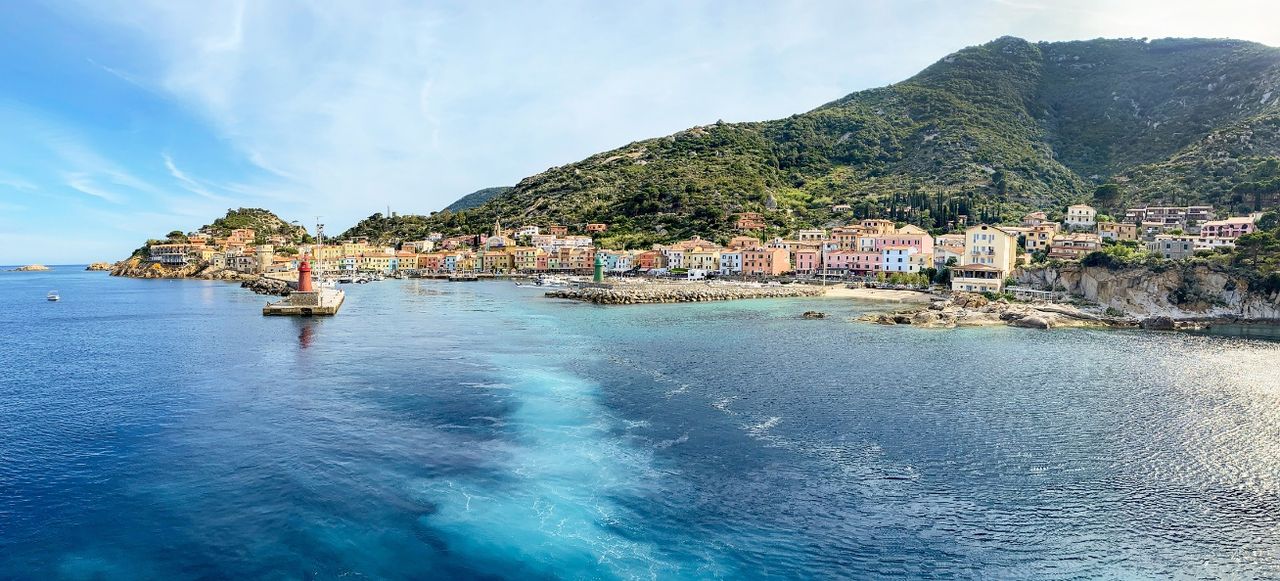
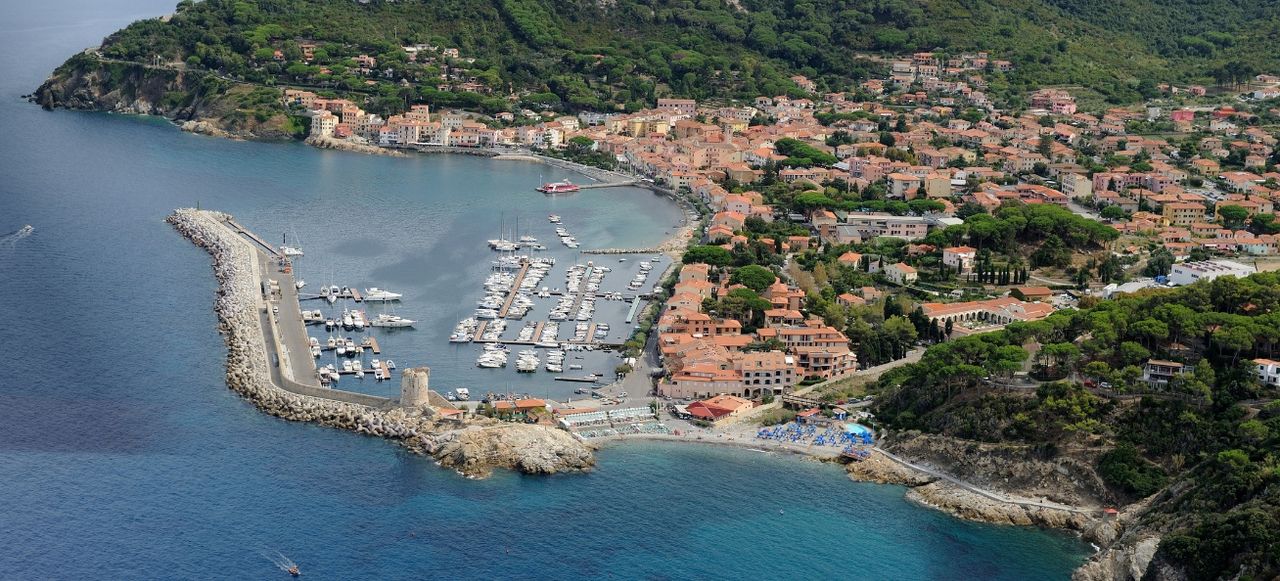
Departing pristine Giannutri, sail approximately 10 nautical miles north (2 hours in typical conditions) to charming Giglio-inhabited island offering perfect balance between archipelago authenticity and visitor accessibility. The island covers 21 square kilometers with approximately 1,400 permanent residents concentrated primarily in three settlements-Giglio Porto harbor village, spectacular medieval Giglio Castello hilltop fortress town, and Giglio Campese west coast beach resort-creating authentic island community maintaining traditions while welcoming visitors. The distinctive geology features predominantly granite formation creating colorful pink-gray rock outcrops, dramatic coastal cliffs, beautiful beaches with coarse sand and crystal-clear waters. Approach reveals picturesque Giglio Porto-the principal harbor nestled in protected bay with colorful buildings cascading down hillside, fishing boats alongside visiting yachts, waterfront restaurants and cafes, ferry terminal connecting to Porto Santo Stefano on Monte Argentario mainland (1 hour crossing), creating vibrant arrival atmosphere demonstrating inhabited island character contrasting yesterday's isolated Giannutri. The harbor provides good marina facilities, provisioning opportunities with small supermarkets, bakeries, fresh produce, excellent seafood restaurants emphasizing local catch prepared with island traditions-octopus salad, fish soups, grilled catches with herbs and local olive oil, accompanied by distinctive Giglio Ansonaco white wine.
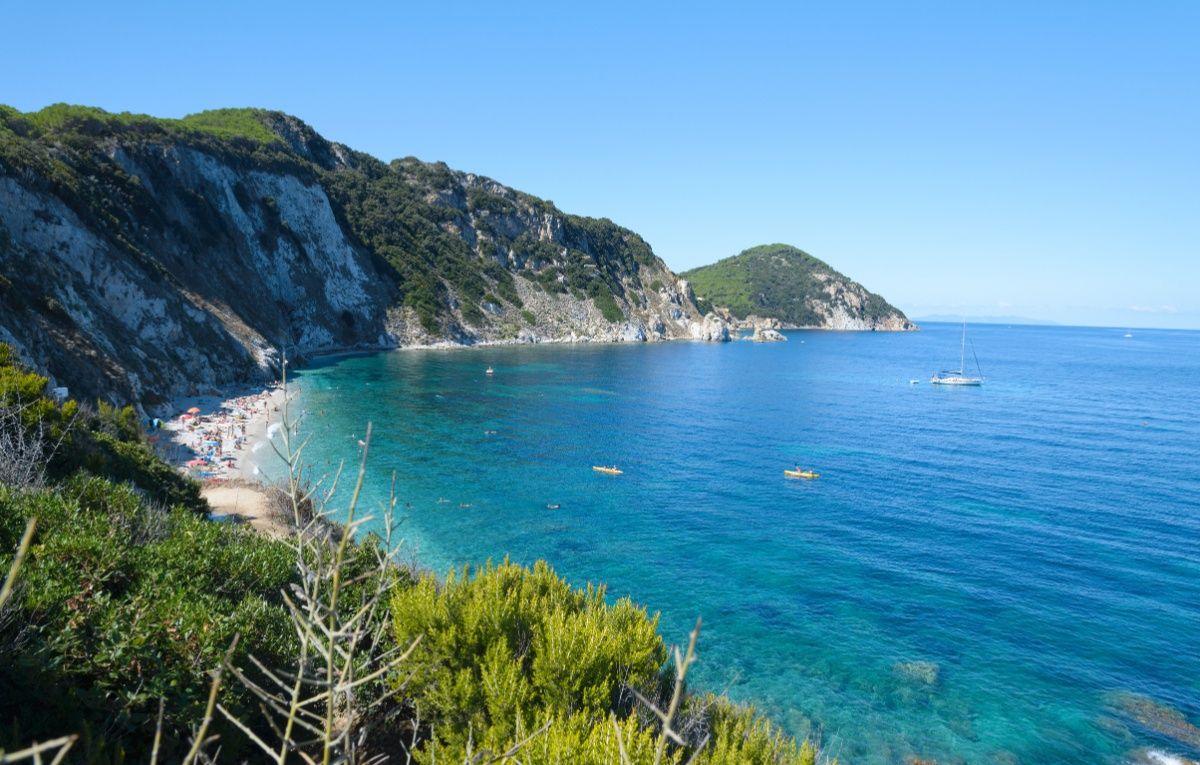
The essential Giglio experience requires visiting spectacular Giglio Castello-medieval hilltop fortress town perched 405 meters above sea level with magnificent panoramic views across archipelago revealing nearby Giannutri, Elba, Montecristo, Corsica on clear days demonstrating complete island context. Regular bus service from Porto or approximately 6-kilometer steep walk via scenic path passes through Mediterranean maquis vegetation-wild rosemary, rockrose, juniper, myrtle creating aromatic hillside. The fortress town preserves remarkable medieval character-imposing defensive walls built by Pisans 12th century then reinforced by Medici Grand Duchy, narrow granite-paved streets too narrow for cars maintaining authentic pedestrian scale, ancient Chiesa di San Pietro Apostolo with artworks including ivory crucifix attributed to Giambologna school, small museum displaying archaeological finds and maritime heritage, local residents maintaining community traditions. Evening passeggiata (evening stroll) brings authentic island life as residents gather in small piazza. Wine enthusiasts should seek Giglio Ansonaco DOC-distinctive white wine from ancient grape variety (possibly Greek origin) thriving in island's granite soils and maritime climate creating fresh mineral character with citrus, Mediterranean herb notes, produced by small family estates maintaining traditions despite challenging island scale agriculture. Alternative excursion explores Giglio Campese-west coast bay with longest island beach dominated by distinctive 18th-century Medici tower, dramatic Faraglione rock formation offshore, relaxed resort atmosphere, spectacular sunset views, creating complete Giglio experience demonstrating authentic inhabited island character, medieval heritage, natural beauty, and local wine tradition representing smaller archipelago islands at their most accessible and charming before tomorrow's crossing to magnificent larger Elba.
Day 3: Giglio to Marina di Campo (Elba)
Nautical Miles: 25+
Travel Time: 5 hours
Today brings the journey's longest passage-approximately 25 nautical miles (5 hours in typical conditions) crossing from Giglio northeast to magnificent Elba, largest Tuscan Archipelago island covering 224 square kilometers with extraordinary diversity awaiting exploration over coming days. Early morning departure recommended allowing comfortable crossing with arrival early afternoon and time settling into new destination. The open water passage provides excellent opportunities spotting cetaceans-fin whales and sperm whales migrate through deeper Tyrrhenian channels, common dolphins and bottlenose dolphins frequently approach boats creating memorable wildlife encounters, Mediterranean shearwaters glide low over waves. The progressive approach to Elba reveals distinctive geography-dramatic mountain landscapes rising to 1,019-meter Monte Capanne highest peak dominating western massif, gentler eastern territories with mining heritage visible in colorful mineral beaches and abandoned industrial sites, varied coastline combining dramatic granite cliffs with sandy bays, over 150 beaches and coves providing endless exploration opportunities. The island's shape-roughly 27 kilometers east-west by 18 kilometers north-south-creates manageable scale for yacht-based discovery visiting different harbors and anchorages revealing complete character. Destination Marina di Campo occupies central south coast position-the island's longest sandy beach (approximately 1.3 kilometers) backed by pleasant resort town with relaxed atmosphere, good marina facilities, comprehensive provisioning, numerous restaurants and cafes, and perfect base introducing Elba's beach-focused pleasures.
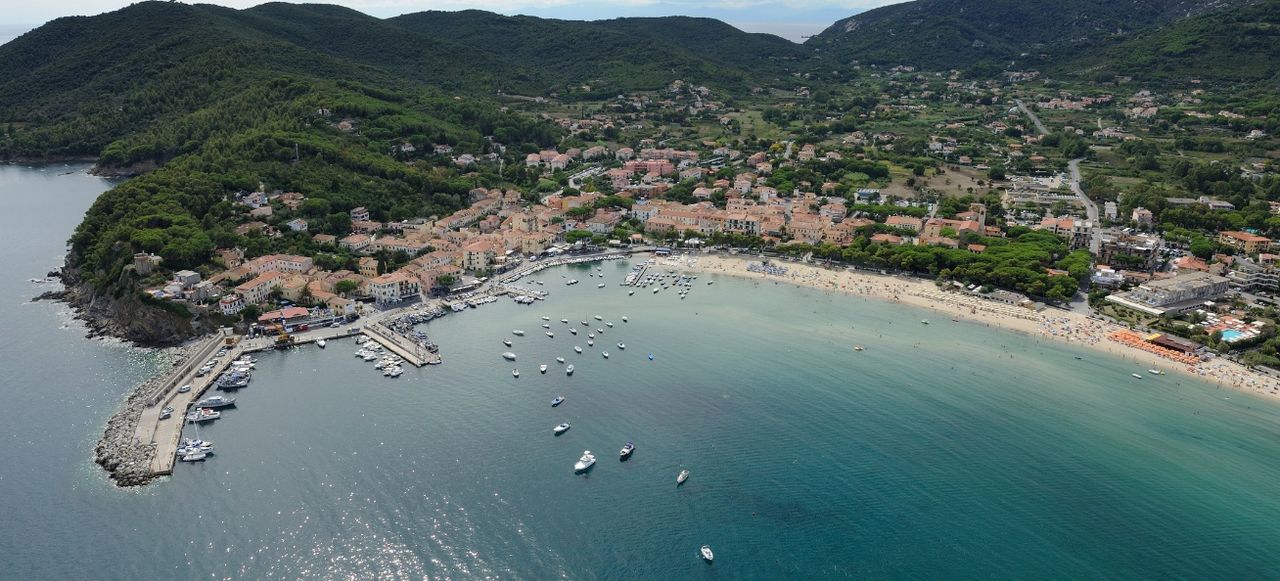
Marina di Campo offers relaxed introduction to Elba combining excellent beach access with practical amenities and authentic island atmosphere. The long sandy beach features remarkably shallow crystal-clear water ideal for swimming, water sports, sunbathing, with beach clubs offering loungers and refreshments alongside free access zones. The town maintains pleasant scale-waterfront promenade lined with restaurants, gelaterias, shops, weekly market selling local produce, small Aquarium focusing on Mediterranean species and Tuscan Archipelago marine life including touch pools for children, and genuine residential community beyond tourist zones. Behind town rises distinctive Torre di Marina di Campo-16th-century Pisan watchtower part of defensive network against Saracen pirate raids, now providing landmark and historic context. Evening passeggiata brings authentic island life as residents and visitors stroll the waterfront, families gather at cafes, restaurants fill with excellent local cuisine-fresh fish preparations, Elba-style stockfish (stoccafisso alla elbana), wild boar dishes reflecting island hunting traditions, vegetable-focused preparations using local produce, accompanied by Elba DOC wines including white Procanico (local Vermentino), red Sangiovese, distinctive sweet Aleatico passito from semi-dried grapes. The relaxed atmosphere provides perfect recovery from morning's longer crossing while beginning appreciation for Elba's beach diversity, authentic communities maintaining traditions beyond Napoleon heritage tourism, excellent local cuisine and wines, and accessible scale allowing comprehensive exploration over coming days visiting contrasting harbor towns each revealing different island character-tomorrow brings distinctive Porto Azzurro with Spanish fortress heritage and eastern territories, followed by picturesque Marciana Marina in northwest and concluding at sophisticated capital Portoferraio demonstrating complete Elba experience impossible from single destination.
Day 4: Marina di Campo to Porto Azzurro
Nautical Miles: 15+
Travel Time: 3 hours
Departing Marina di Campo, cruise approximately 15 nautical miles (3 hours allowing exploration time) eastward along Elba's varied south coast discovering secluded beaches and coves before reaching distinctive Porto Azzurro-eastern harbor town with fascinating Spanish heritage and authentic island character. The coastline passage reveals Elba's mining heritage-colorful mineral beaches including Spiaggia di Topinetti with distinctive red sand from iron oxide content, abandoned mining structures and terraces where extraction occurred since Etruscan times 8th century BCE through final closure 1981 creating unique industrial archaeology now protected heritage sites, and remarkable geological diversity displaying iron, copper, manganese deposits creating educational coastal journey. Consider stopping beautiful secluded beaches-Lacona protected bay with long sandy beach and lagoon area rich in birdlife, rocky coves accessible only by boat providing private swimming and snorkeling spots revealing underwater rocky reefs and fish populations. The approach to Porto Azzurro reveals distinctive deep inlet creating well-protected natural harbor, dominated by imposing Forte San Giacomo-massive Spanish fortress built 1603 by Philip III of Spain (then controlling eastern Elba through State of Presidi) with pentagonal star-shaped military architecture, currently functioning as prison though exterior viewable demonstrating impressive defensive engineering and Spanish period heritage distinctive from Medici-controlled western territories creating fascinating divided island history lasting until Italian unification.
Porto Azzurro offers authentic Elba experience balancing visitor facilities with genuine residential community and distinctive character. The compact harbor-side piazza becomes community center-cafes where residents gather for morning espresso and evening aperitivo, small shops selling local produce and artisan products, weekly market offering fresh vegetables, cheeses, cured meats from island farms, excellent fish market reflecting continuing fishing traditions. Explore narrow lanes climbing hillside discovering Chiesa di Madonna del Carmine with baroque interior, artisan workshops producing traditional goods, residential neighborhoods where authentic island life continues beyond tourism. The town name references historical "Porto Longone" designation during Spanish period, later renamed Porto Azzurro (Azure Harbor) for beautiful blue waters. Nearby Santuario di Monserrato-small sanctuary built 1606 by Spanish governor José Pons y León recreating famous Montserrat monastery near Barcelona, containing Black Madonna replica, demonstrating Spanish Catholic heritage during early 17th century control. Mining heritage enthusiasts can visit nearby Rio nell'Elba-historic mining center with Museo dei Minerali showcasing extraordinary collection of island minerals including rare specimens from 150 documented mineral species found on Elba creating geological significance beyond industrial history. Evening brings relaxed atmosphere-waterfront restaurants serve excellent seafood emphasizing local daily catch, traditional Elban dishes, DOC wines from island producers, while resident community gathers in piazza creating authentic scene demonstrating how Porto Azzurro maintains genuine character beyond tourism demonstrating eastern Elba territories with Spanish fortress heritage, mining traditions, authentic island life before tomorrow's cruise to contrasting northwestern Marciana Marina beneath dramatic Monte Capanne mountain slopes.
Day 5: Porto Azzurro exploring Eastern Elba
Nautical Miles: 15+
Travel Time: 3 hours
Today provides flexible exploration of spectacular eastern Elba coastline discovering pristine beaches, dramatic rocky coves, and Napoleon's country retreat before concluding day returning to Porto Azzurro base or optionally cruising to alternative northeastern anchorages. Departing Porto Azzurro, cruise north along stunning eastern coast-approximately 15 nautical miles total allowing multiple stops at exceptional beaches accessible primarily by boat revealing why yacht-based Elba exploration provides access to territories beyond road-reachable crowds. Essential stop includes magnificent Spiaggia di Innamorata-beautiful beach with crystal clear shallow waters, dramatic rocky headlands framing white pebble and sand shore, local legend recounting tragic love story of Maria and Lorenzo creating romantic name (Beach of the Lovers), excellent swimming and snorkeling with underwater rocky formations. Continue to spectacular granite coastline around Capo Focardo promontory-dramatic cliffs, hidden coves, crystal waters achieving excellent visibility revealing Mediterranean underwater life. Further north discover more secluded beaches-Nisportino small bay accessible via steep path from land but easily reached by boat, Bagnaia fishing village maintaining authentic character with small pebble beach and excellent seafood restaurants patronized by locals. Coastal cruising reveals why Elba developed limited road access to finest beaches-mountainous terrain and conservation values preserve pristine character where yacht anchoring provides privileged access demonstrating fundamental advantage boat-based island exploration.
Napoleon history enthusiasts should visit Villa San Martino-Emperor's country retreat approximately 5 kilometers inland from Porto Azzurro accessible via taxi or rental vehicle from harbor. The neoclassical villa purchased 1814 immediately following Napoleon's Elba exile arrival served as peaceful refuge from official Portoferraio residence, featuring Egyptian-style frescoes reflecting Emperor's campaigns, Galatea gallery with mythological scenes, period furnishings, surrounding gardens with Mediterranean plantings. Adjacent Demidoff Gallery-built 1851 by Russian Prince Anatoly Demidoff (married to Napoleon's niece) houses Napoleonic artifact collection and rotating exhibitions exploring exile period when Emperor established brief autonomous principality ruling 12,000 Elban subjects, implementing administrative reforms, infrastructure improvements including road construction and iron mine modernization, maintaining small court, before escaping February 26, 1815 beginning Hundred Days culminating in Waterloo defeat. The combination of Napoleon's actual residence with later memorial museum creates comprehensive interpretation of famous exile creating significant tourism draw. Return to Porto Azzurro allows relaxed afternoon-swimming from yacht at anchor in beautiful azure waters justifying town name, exploring additional town corners missed yesterday, hiking coastal or inland trails through Mediterranean maquis vegetation revealing panoramic views, or simply enjoying leisurely Mediterranean afternoon rhythm aboard yacht. Alternative option continues north reaching northeastern coast areas including Nisporto bay or Rio Marina historic mining port with interesting Parco Minerario museum and red-orange beaches from iron deposits, though returning to Porto Azzurro maintains base for tomorrow's cruise across island's north coast to contrasting Marciana Marina beneath dramatic Monte Capanne mountain in northwest territory representing completely different Elba character-fishing village authenticity, mountain scenery, access to island's highest peak trails, concluding variety demonstrating complete island diversity within accessible yacht distances.
Day 6: Porto Azzurro to Marciana Marina
Nautical Miles: 18+
Travel Time: 3.5 hours
Today brings transition from eastern Elba Spanish heritage territories to completely different northwestern character-crossing approximately 18 nautical miles (3.5 hours allowing stops) around the island's spectacular northern coast reaching picturesque Marciana Marina beneath dramatic Monte Capanne mountain slopes. Departing Porto Azzurro, cruise north then west along stunning coastline revealing Elba's northern territories-dramatic cliffs, hidden coves, occasional villages perched on hillsides, lush vegetation contrasting eastern mining areas. Consider stopping at beautiful beaches including Biodola-excellent sandy beach in protected bay with crystal waters and beach club facilities, or secluded coves around Capo Bianco headland accessible primarily by boat. The northwestern approach reveals distinctive landscape change-dramatic granite mountain massif rising directly from sea, forests covering slopes (chestnuts, maritime pines, cork oaks), authentic fishing villages maintaining traditions, less tourist development preserving authentic character. Marciana Marina welcomes with picturesque harbor scene-colorful fishing boats alongside visiting yachts, compact waterfront lined with traditional buildings painted warm Mediterranean colors, narrow lanes climbing hillside toward hillside villages, authentic community atmosphere, and spectacular Monte Capanne backdrop rising 1,019 meters creating dramatic scenery. The marina provides good facilities with fuel, water, electricity, though advance reservation recommended summer months given limited berths and popularity among cruising yachts discovering northwestern Elba's special character.
Marciana Marina represents authentic Elba fishing village scaled-down from tourist-focused developments-permanent population approximately 2,000 maintains genuine community character where fishing boats still work daily catches sold at small harbor-side market. Explore compact historic center discovering Chiesa di Santa Chiara small baroque church, Torre Saracena 12th-century Pisan watchtower part of island-wide defensive network against pirate raids now town symbol and museum housing archaeological finds, pleasant waterfront promenade perfect for evening passeggiata, excellent seafood restaurants emphasizing fresh local catch prepared simply with Elban traditions. The essential Marciana Marina experience includes Monte Capanne access-cable car (funivia) from nearby Poggio village (3 kilometers inland) ascends 1,019-meter highest Elba peak in spectacular 20-minute journey providing panoramic 360-degree views revealing complete Tuscan Archipelago including Corsica just 50 kilometers west, Capraia, Pianosa, distant Montecristo, Giglio, Giannutri, mainland Tuscany coast creating unforgettable orientation understanding complete island context and archipelago geography. Summit hiking trails explore granite peak area with endemic plant species, panoramic viewpoints, mountain chapel, occasional griffon vultures reintroduced after local extinction. Alternative inland exploration discovers hillside villages-ancient Marciana Alta (approximately 400 meters elevation) with medieval fortress ruins, narrow stone streets, artisan workshops, spectacular views, and nearby Poggio known for mineral water springs and chestnuts. Evening in Marciana Marina harbor brings authentic atmosphere-fishing boats return with catches, locals gather at waterfront cafes, excellent restaurants serve fresh seafood, Elban wines, traditional dishes, while Monte Capanne silhouette creates dramatic backdrop demonstrating northwestern territories' distinctive character before tomorrow's final passage to sophisticated capital Portoferraio completing comprehensive Elba exploration revealing complete island diversity.
Day 7: Marciana Marina to Portoferraio
Nautical Miles: 10
Travel Time: 2 hours
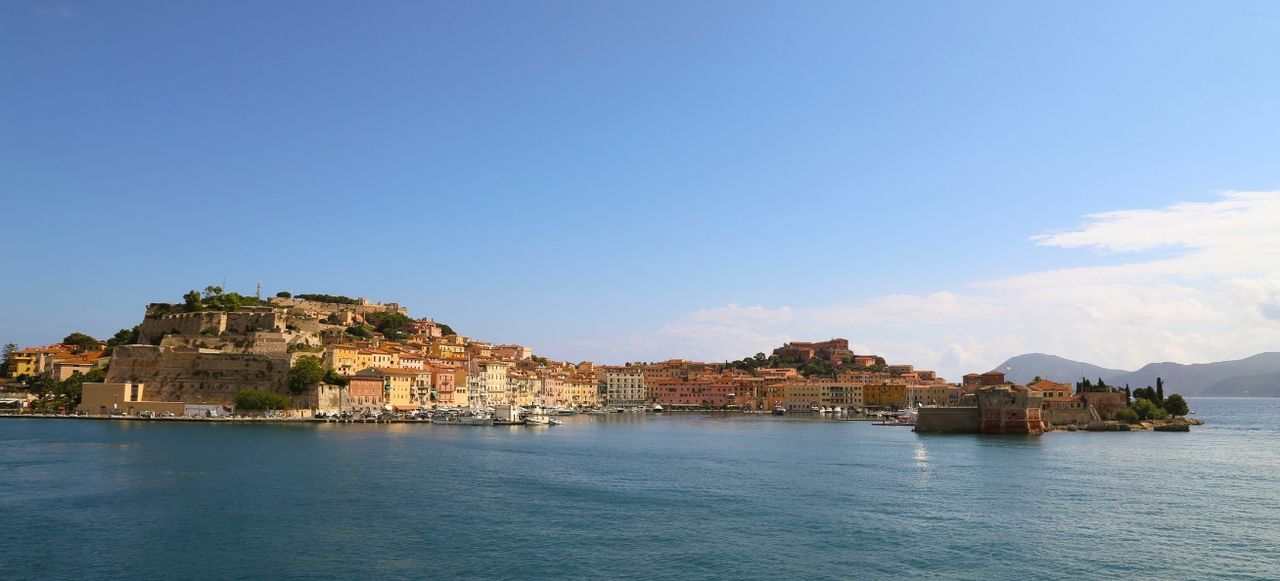
Your final Tuscan Islands passage cruises approximately 10 nautical miles (2 hours) east from Marciana Marina along spectacular northern Elba coast reaching elegant Portoferraio-island capital and principal port combining sophisticated atmosphere with rich history creating fitting conclusion to archipelago exploration. The coastal passage reveals continued beautiful scenery-protected bays, dramatic headlands, glimpses of inland mountain territories, occasional villages, and progressive approach to larger Portoferraio revealing extensive harbor facilities accommodating ferries from Piombino mainland (1 hour crossing with frequent daily departures), cruise ships, commercial traffic, and comprehensive marina providing excellent yacht berthing. The harbor configuration creates distinctive character-natural deep inlet enhanced by massive Medici fortifications built 16th century creating imposing defensive system with Forte Stella northern headland, Forte Falcone highest position providing commanding views, bastioned walls enclosing historic center, Torre della Linguella guarding harbor entrance with ancient origins, and massive scale demonstrating Elba's strategic importance to Medici Grand Duchy controlling Tuscan territories. Portoferraio modern population approximately 12,000 (about 35% of total Elban residents) creates genuine urban character rather than village scale-comprehensive shops, services, restaurants, cultural institutions, authentic community life beyond tourism, and sophisticated atmosphere reflecting capital status and ferry connections enabling day visitors from mainland.
Exploring Portoferraio requires visiting Napoleon sites-the essential Elba historical attraction drawing significant tourism. Palazzina dei Mulini (Villa of the Windmills) occupies commanding position within historic fortifications overlooking harbor-Napoleon's principal residence during 1814-1815 exile featuring period furnishings, personal belongings including portable campaign furniture from military campaigns, library with Emperor's books, formal reception rooms, beautiful terraced gardens with sea views, creating intimate glimpse into exile life. The modest scale (compared to imperial French palaces) demonstrates reduced circumstances yet maintained dignity. Adjacent Napoleonic museums explore exile period implementing administrative reforms, infrastructure projects, maintaining small court with loyal followers. Beyond Napoleon focus, discover beautiful historic center-Chiesa della Misericordia with artworks, Fortezza Medicea massive fortress complex now public park with panoramic views revealing complete harbor geography and northern Elba coastline toward Corsica visible clear days, pleasant shopping streets, excellent restaurants serving sophisticated cuisine reflecting capital status. The waterfront provides relaxed conclusion atmosphere-harbor-side cafes for final aperitivo watching ferry traffic and yacht activity, fresh fish market mornings showcasing daily catches, evening passeggiata along seaside promenade. As journey concludes after 7 days and 95 nautical miles, reflect on concentrated Tuscan Archipelago perfection experienced-departing elegant Porto Ercole with Spanish fortress heritage, discovering pristine Giannutri Roman villa ruins and marine sanctuary, charming Giglio medieval fortress and Ansonaco wine traditions, crossing to magnificent Elba exploring relaxed Marina di Campo beaches, authentic Porto Azzurro Spanish heritage, spectacular eastern coastline, Napoleon country retreat, picturesque Marciana Marina beneath Monte Capanne mountain with cable car summit panoramas, and sophisticated Portoferraio capital with Medici fortifications and imperial exile sites. This comprehensive archipelago exploration demonstrated Italy's premier island sailing territory-protected within Europe's largest marine park preserving exceptional biodiversity, combining pristine smaller islands with diverse Elba territories, rich history from Roman times through Napoleon era, authentic island communities, excellent beaches, mountain scenery, local wine traditions, crystal Tyrrhenian waters, and concentrated perfection creating ideal week-long adventure representing Mediterranean island cruising at its most accessible and protected, fulfilling the promise experiencing Tuscan territories' finest maritime heritage beyond mainland Tuscany's renowned art cities revealing complete regional character including spectacular island domains.